Home appliances make everyday life easier, but even reliable machines can develop problems over time. A refrigerator may stop cooling, a washing machine may refuse to drain, or an oven may fail to heat properly. These issues can result from normal wear and tear, poor maintenance, blocked components, electrical problems, or incorrect use.
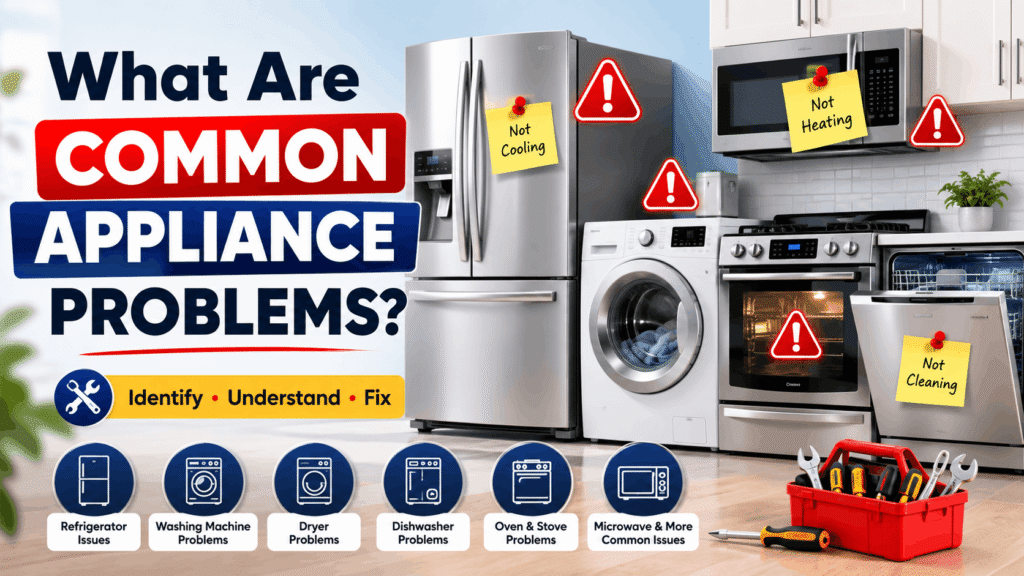
So, what are common appliance problems? The most frequent include appliances that will not turn on, fail to heat or cool, leak water, make unusual noises, vibrate excessively, or stop completing their normal cycles. Understanding the symptoms can help you identify the likely cause and decide whether a simple check is enough or professional repair is needed.
What Are the Most Common Appliance Problems?
Although every appliance works differently, many problems have similar warning signs. Some are easy to troubleshoot, while others require a qualified technician.
Appliance Won’t Turn On
An appliance that suddenly stops working may have a simple power-related problem. Check whether it is plugged in properly and whether the circuit breaker has tripped. A faulty outlet, damaged power cord, control board, or internal electrical component can also prevent an appliance from starting.
Before assuming that a major part has failed, always begin with the basic power and control settings.
Appliance Is Not Heating or Cooling
Heating and cooling problems are especially common. A refrigerator may run but remain warm, while a dryer or oven may operate without producing enough heat.
Possible causes include restricted airflow, a faulty thermostat, heating elements, fans, sensors, or other internal components. Because several different parts can create similar symptoms, replacing a component without proper diagnosis can waste money.
Appliance Is Leaking Water
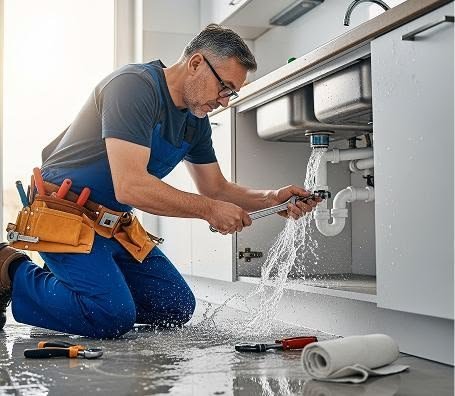
Water leaks are common with refrigerators, dishwashers, washing machines, and other water-connected appliances.
A loose hose connection, damaged door seal, blocked drain, cracked hose, or faulty pump can allow water to escape. If you notice a leak, identify where the water is coming from before continuing to use the appliance.
Appliance Makes Strange Noises
A new buzzing, grinding, rattling, squealing, or banging sound should not be ignored. The cause could be something simple, such as an unbalanced washing-machine load or an object caught in a fan.
However, unusual sounds can also indicate worn bearings, motors, pumps, or other mechanical components.
Common Appliance Problems by Appliance Type
Different appliances have their own typical failure points. Knowing the most common symptoms can make home appliance troubleshooting much easier.
Common Refrigerator Problems
Refrigerators can experience several problems, including:
- Refrigerator not cooling
- Excessive frost buildup
- Water leaking inside or underneath
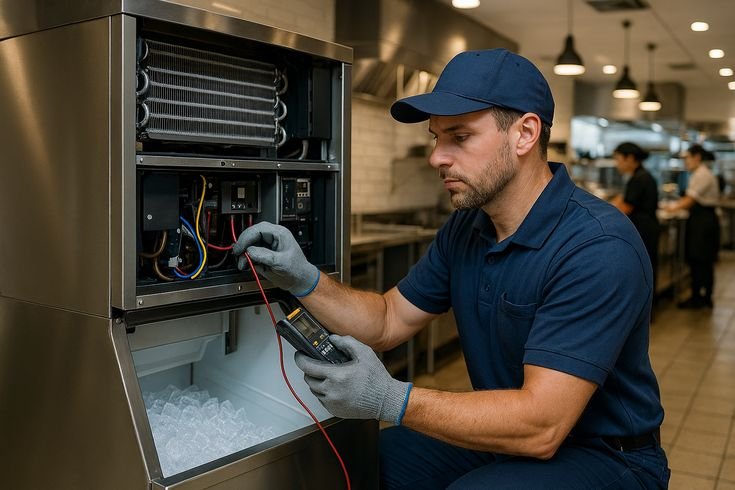
- Ice maker not producing ice
- Refrigerator making unusual noises
- Door not sealing properly
Poor airflow, dirty components, blocked vents, damaged door gaskets, and mechanical or electrical faults can all affect refrigerator performance.
If food is no longer staying properly cold, avoid repeatedly opening the door while troubleshooting. Perishable food can become unsafe when temperatures rise for extended periods.
Common Washing Machine Problems
Washing machines commonly develop issues such as:
- Not draining
- Not spinning
- Not filling with water
- Excessive shaking
- Water leaking
- Making loud noises
A blocked drain, unbalanced load, damaged hose, faulty pump, worn suspension components, or control problem may be responsible.
Start by checking the load, hoses, drain path, and basic settings. If the washer repeatedly stops during cycles or makes a serious mechanical noise, further diagnosis may be necessary.
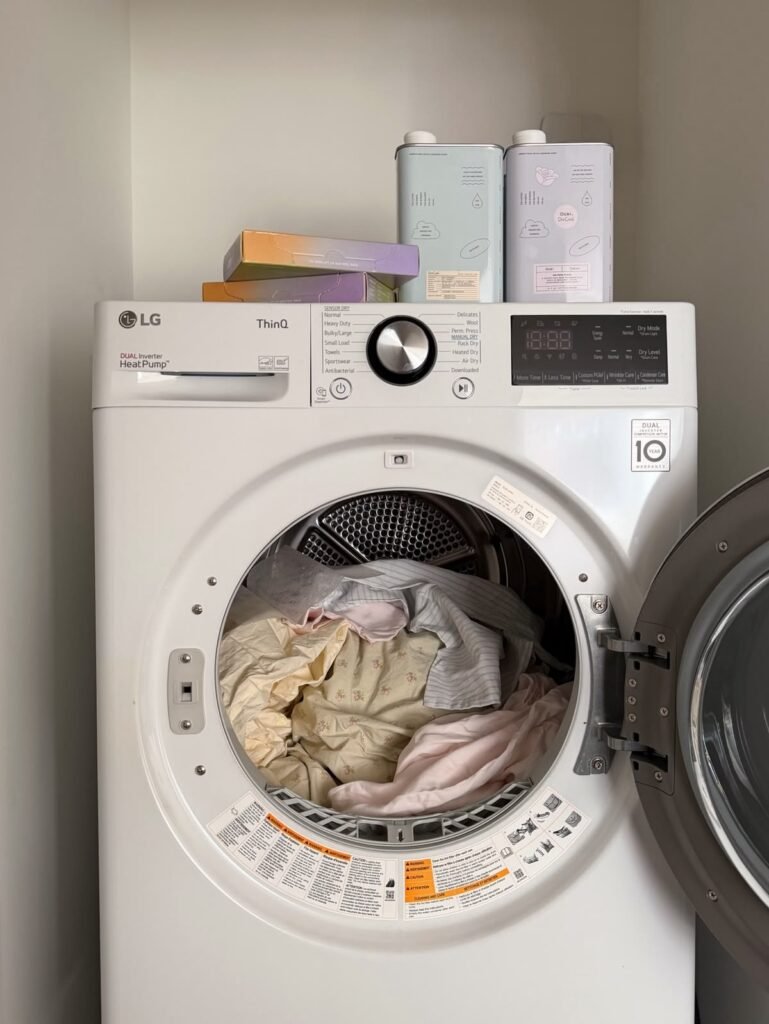
Common Dryer Problems
A dryer that runs but does not dry clothes properly is one of the most noticeable appliance problems.
Common symptoms include:
- Dryer not heating
- Drum not turning
- Clothes taking too long to dry
- Excessive noise
- Dryer shutting off unexpectedly
Restricted airflow is an important thing to check. Lint buildup and blocked exhaust pathways can reduce drying performance and create a safety concern. Keep the lint filter clean and follow the manufacturer’s instructions for maintaining the exhaust system.
Common Dishwasher Problems
Dishwashers may develop problems such as:
- Not draining
- Not filling with water
- Poor cleaning performance
- Water leaking
- Unusual noises
- Leaving dishes wet or dirty
A dirty filter, blocked drain path, spray-arm obstruction, water-supply issue, or worn component may cause these symptoms.
Cleaning accessible filters and checking for obvious obstructions can be a useful first step. Internal water or electrical problems may require professional diagnosis.
Common Oven, Stove, and Microwave Problems
Cooking appliances can experience:
- Oven not heating
- Burners not working correctly
- Uneven heating
- Microwave not heating
- Control panel problems
- Appliance shutting off unexpectedly
For gas appliances, unusual gas odors or suspected gas leaks require immediate attention. Do not attempt to repair gas connections yourself.
Electrical cooking appliances can also contain high-voltage or high-temperature components, so internal repairs should generally be handled by a qualified professional.
What Causes Common Appliance Problems?
Understanding what causes common appliance problems can help prevent them from becoming expensive repairs.
Normal Wear and Tear
Parts such as belts, seals, bearings, pumps, motors, and heating elements can wear down with regular use. Even a well-maintained appliance can eventually require replacement parts.
Poor Maintenance
Neglected filters, dirty components, blocked vents, and buildup can reduce appliance performance. Regular cleaning and maintenance help appliances operate more efficiently and can make problems easier to identify.
Electrical Problems
Power interruptions, tripped breakers, damaged cords, faulty outlets, and internal electrical failures can cause appliances to stop working.
If a circuit breaker repeatedly trips when an appliance operates, do not keep resetting it without finding the reason. The appliance or electrical circuit may require professional inspection.
Also Read: Best ways to repair home appliances.
Overloading or Incorrect Use
Using an appliance beyond its intended capacity can place additional stress on its components. Overloading a washing machine or dryer, blocking refrigerator vents, or incorrectly loading a dishwasher can affect performance.
Following the manufacturer’s instructions is one of the simplest ways to avoid unnecessary common appliance issues.
Age and Component Failure
As appliances get older, individual components can fail. However, age alone does not automatically mean an appliance needs replacement. The condition of the appliance, repair history, operating performance, and cost of repair should all be considered.
How to Fix Common Appliance Problems Safely
When learning how to fix common appliance problems, start with simple checks before attempting complicated repairs.
First, make sure the appliance has power and that the controls are set correctly. Then inspect accessible hoses, filters, vents, seals, and connections for obvious problems.
For example, you can usually:
- Check whether the appliance is plugged in.
- Inspect the circuit breaker.
- Clean an accessible filter.
- Remove visible debris from an accessible drain or filter.
- Check hoses for obvious kinks.
- Make sure doors close and seal properly.
- Confirm the appliance is not overloaded.
- Check whether an error code is displayed.
However, troubleshooting does not mean every repair should be a DIY project.
Avoid opening or repairing components involving live electricity, gas connections, refrigerant systems, or other potentially hazardous parts unless you have the appropriate training and equipment. If an appliance produces smoke, sparks, a burning smell, or another serious warning sign, stop using it and arrange appropriate professional assistance.
The U.S. Consumer Product Safety Commission regularly publishes appliance-related recalls and safety information, including hazards involving fire, electric shock, burns, and other injuries.
Signs Your Home Appliance Needs Repair
Knowing the signs your home appliance needs repair can help you deal with problems before they become more serious.
Look for:
- Repeated shutdowns
- Unusual or worsening noises
- Water leaks
- Burning smells
- Sparks or visible electrical damage
- Poor heating or cooling
- Longer-than-normal operating cycles
- Repeated error codes
- Excessive vibration
- Noticeably reduced performance
One unusual sound does not always mean a major failure, but a symptom that continues or gets worse deserves attention.
Safety symptoms should be treated differently. Smoke, sparks, burning odors, severe overheating, or suspected gas problems are reasons to stop using the appliance rather than continue troubleshooting it.
When to Repair or Replace an Appliance
Knowing when to repair or replace an appliance can be difficult when you are unsure how serious the problem is. In many cases, a professional diagnosis can help you determine whether repairing the appliance is the better option.
When Appliance Repair Makes Sense
Repair is often a practical choice when:
- The appliance is otherwise in good condition
- The problem is limited to one component
- Replacement parts are available
- The repair cost is reasonable
- The appliance has been reliable overall
A proper inspection can identify the faulty component and help prevent unnecessary replacement.
When Replacement May Be Better
Replacing an appliance may make more sense when it has frequent breakdowns, major component failures, serious physical damage, or repair costs that are too high compared with a replacement.
If you’re unsure which option makes sense, Professional crews can help diagnose the problem and explain the available repair options before you make a decision.
How to Prevent Common Appliance Repair Problems
Many common appliance repair problems can be reduced with basic maintenance.
Clean filters according to the manufacturer’s recommendations, keep refrigerator airflow unobstructed, avoid overloading washers and dryers, inspect accessible hoses, and keep dishwasher filters clean.
Pay attention to small changes in performance. A dryer that suddenly takes twice as long to dry clothes, a refrigerator that runs constantly, or a washing machine that starts making a new noise may be showing an early warning sign.
Addressing these symptoms early can sometimes prevent a small problem from developing into a more expensive repair.
Common Appliance Problems and How to Fix Them
| Appliance Problem | Possible Cause | First Step |
|---|---|---|
| Won’t turn on | Power or control issue | Check power and breaker |
| Not heating | Heating or control problem | Check settings and power |
| Not cooling | Airflow or component issue | Check temperature and vents |
| Leaking water | Hose, seal, or drain problem | Inspect accessible connections |
| Not draining | Blockage or pump issue | Check accessible filter/drain |
| Excessive noise | Loose or worn component | Check load and visible obstructions |
| Poor performance | Maintenance or component issue | Clean accessible parts and review settings |
These are starting points, not guaranteed diagnoses. The same symptom can have several causes, so avoid replacing parts based only on a symptom.
Final Thoughts
Common appliance problems can range from simple maintenance issues to complex mechanical or electrical failures. The key is to recognize the symptoms, start with safe basic checks, and avoid assuming that every problem requires a major part replacement.
Whether your refrigerator is not cooling, your washer is not draining, your dryer is not heating, or your dishwasher is leaving dishes dirty, identifying the symptoms is the first step toward finding the right solution.
Good maintenance and early attention can help reduce unnecessary breakdowns and keep your household appliances working reliably for longer.
Frequently Asked Questions
What is the most common appliance problem?
Some of the most common problems include appliances that will not start, fail to heat or cool, leak, make unusual noises, or stop completing their normal cycles.
What causes common appliance problems?
Common causes include normal wear and tear, poor maintenance, blocked filters or vents, electrical problems, improper use, overloading, and failed components.
Can I fix common appliance problems myself?
Basic checks such as inspecting power, settings, filters, hoses, and visible obstructions are often reasonable. Electrical, gas, refrigerant, and complex internal repairs should be handled by appropriately qualified professionals.
How do I know if my appliance needs repair?
Repeated failures, unusual noises, leaks, poor performance, burning smells, error codes, and electrical problems are common warning signs that further diagnosis may be needed.
Is it better to repair or replace an appliance?
It depends on the appliance’s condition, repair cost, reliability, and the severity of the problem. A repair can be worthwhile when the appliance is otherwise in good condition and the failure is isolated.
How can I prevent appliance problems?
Follow the manufacturer’s maintenance instructions, clean accessible filters, avoid overloading appliances, keep vents clear, inspect hoses, and address unusual symptoms early.