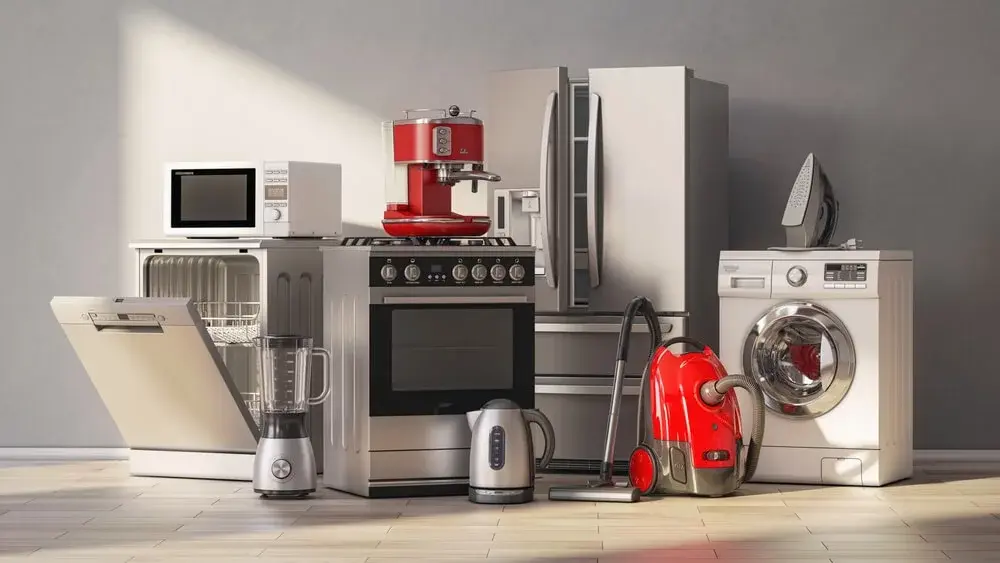
When a home appliance stops working, the first reaction is often to call for a repair. However, some appliance problems have simple causes that you can safely identify or fix yourself. Learning how to repair home appliances starts with understanding the symptoms, checking the basic components, and knowing when a problem requires professional help.
From refrigerators that stop cooling to washing machines that will not drain, many issues can be traced to power, blocked filters, incorrect settings, clogged hoses, or poor maintenance. This home appliance repair guide explains how to troubleshoot common problems, perform basic repairs safely, and recognize situations where DIY repair is not the right choice.
Start With Appliance Safety Before Any Repair
Safety should always come before troubleshooting. Before inspecting an appliance, unplug it from the electrical outlet or switch off the appropriate circuit breaker. Never work on an appliance while it is connected to power unless a qualified technician specifically needs to perform a live electrical test.
Gas appliances require additional caution. If you smell gas, turn off the appliance if it is safe to do so, leave the area, and seek appropriate professional assistance. Do not attempt to repair gas lines, valves, or other gas-related components yourself.
You should also avoid DIY repairs if you notice burnt wiring, exposed electrical components, repeated breaker trips, electric shocks, or significant water damage around electrical parts.
A simple rule is useful: if you are unsure whether a repair is safe, stop and have the appliance professionally diagnosed.
How to Diagnose Appliance Problems
Good troubleshooting begins with identifying the exact symptom instead of immediately replacing a part. The same appliance problem can have several different causes.
Start by asking:
- Does the appliance have power?
- Does it turn on but fail to complete a cycle?
- Is it making an unusual noise?
- Is it leaking water?
- Is it failing to heat or cool?
- Is there an error code?
- Did the problem start suddenly or develop gradually?
Next, check the simple things first. Look at the circuit breaker, power cord, controls, door or lid, water supply, drain hose, filters, and visible vents.
Checking the owner’s manual is also important. Appliance designs vary by brand and model, so a repair that applies to one machine may not apply to another.
These basic appliance troubleshooting tips can prevent unnecessary part replacements and help you determine whether the issue is something you can safely handle.
Common Home Appliance Problems and How to Fix Them
Different appliances have different failure points, but several problems occur regularly in homes.
Refrigerator Is Not Cooling
If a refrigerator is running but not cooling properly, first check the temperature setting. Make sure food containers are not blocking the interior air vents.
Next, inspect the condenser area if it is accessible according to the manufacturer’s instructions. Dust and debris can restrict airflow and reduce cooling performance.
Check the door gasket as well. A damaged or loose seal can allow warm air into the refrigerator.
If the refrigerator continues running without reaching the correct temperature, the problem could involve a fan, sensor, compressor, control system, or sealed refrigeration system. These repairs generally require
Refrigerator
professional diagnosis.
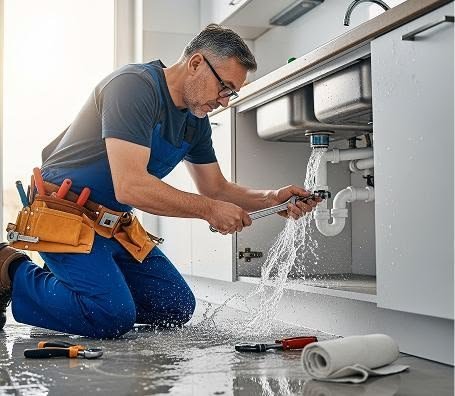
Washing Machine Will Not Drain
A washer that finishes a cycle with water inside may have a blocked drain hose, clogged filter, or problem with the drain pump.
Start by checking the drain hose for kinks or visible blockages. If your model has an accessible drain filter, inspect and clean it according to the owner’s manual.
Avoid reaching into areas containing moving parts or attempting to replace a pump without understanding the machine’s design.
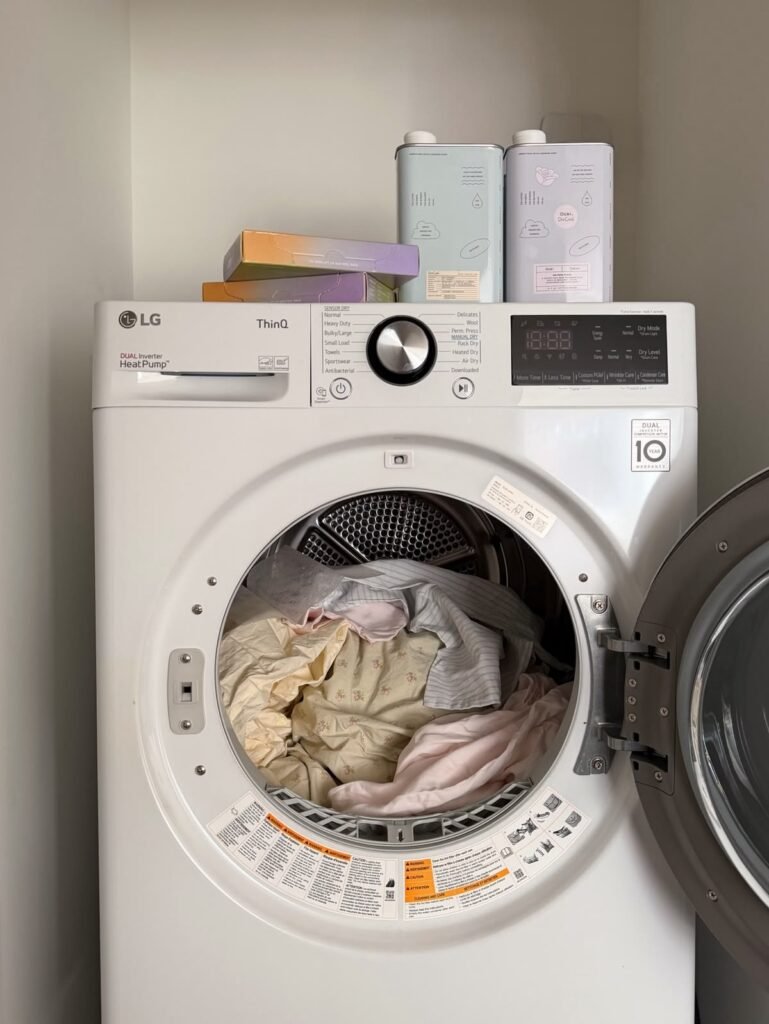
Dryer Is Not Heating
When a dryer tumbles but produces little or no heat, start with the lint filter and exhaust system. A heavily blocked vent can restrict airflow and cause drying problems.
Clean the lint filter and check the external vent opening for visible blockage. Do not continue operating a dryer with severely restricted airflow because excessive lint accumulation can create a fire hazard.
Electric and gas dryers use different heating systems. Problems involving heating elements, thermal components, igniters, or gas systems may require professional repair.
Dishwasher Is Not Getting Water
If your dishwasher starts but does not fill, check the water supply valve under the sink. Make sure it is fully open and inspect the inlet hose for kinks.
The door must also close properly for many dishwashers to begin filling. A faulty latch or inlet component can prevent water from entering.
If these basic checks do not solve the problem, the inlet valve, control system, or another internal component may need testing.
Oven or Range Is Not Heating
If an oven is not heating, confirm that the appliance has power and that the correct cooking mode is selected.
For an electric oven, a damaged heating element can sometimes be visible. For gas models, ignition problems may prevent the oven from heating correctly.
Do not attempt to repair gas connections or internal electrical components unless you have the appropriate training. Professional diagnosis is safer when the cause is not obvious.
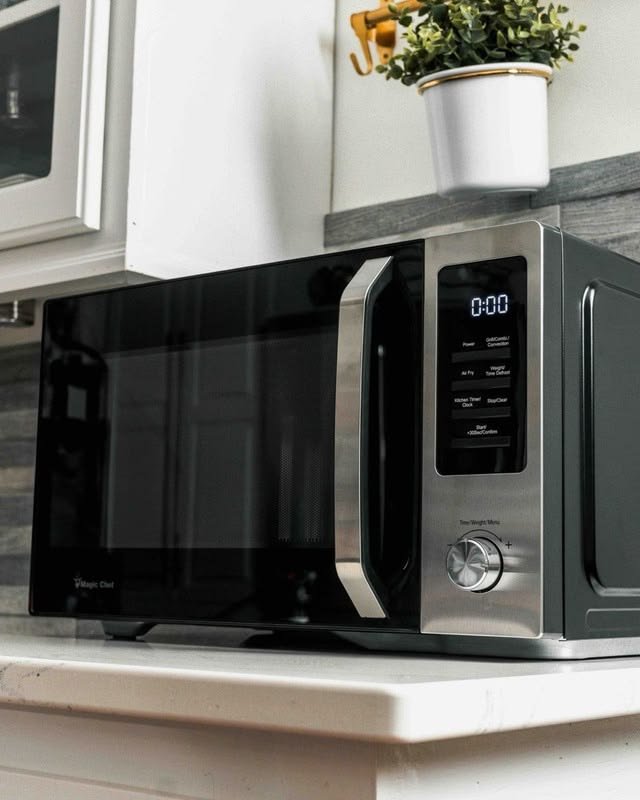
Microwave Is Not Working
If your microwave is not working, start by checking the power outlet and circuit breaker to make sure the appliance is receiving electricity. Make sure the microwave door closes properly and that the controls are set correctly. If it still does not turn on or heat, the problem may involve an internal component. Microwaves contain high-voltage parts that can remain dangerous even after the appliance is unplugged, so internal repairs should generally be handled by a qualified technician.
Microwaves contain high-voltage components that can remain dangerous even after the appliance is unplugged. For this reason, internal microwave repairs should generally be left to a qualified technician.
How to Fix Appliances at Home Safely
Some DIY home appliance repair tasks are relatively simple when the appliance manufacturer allows them.
Cleaning and replacing accessible filters is one example. Washing machine filters, dishwasher filters, refrigerator filters, and dryer lint filters should be maintained according to the manufacturer’s instructions.
Removing simple blockages is another common task. A kinked drain hose, clogged dishwasher filter, or restricted dryer vent can sometimes be corrected without replacing any parts.
You can also check basic settings and reset an appliance when the owner’s manual recommends it. A reset may clear a temporary control error, but it does not repair a failed component.
Before purchasing a replacement part, verify the appliance model number and confirm that the part is actually compatible. Replacing the wrong component can waste money and potentially create a safety problem.
Appliance Repair Tips to Prevent Bigger Problems
Regular maintenance can reduce the frequency of common appliance repairs. Small maintenance tasks are especially important because neglected problems can become more expensive over time.
Keep dryer lint filters clean and maintain the exhaust system. Clean dishwasher filters and spray arms when required. Avoid overloading washing machines and dryers, and do not block refrigerator air vents.
Watch for early warning signs such as unusual sounds, burning smells, water leaks, longer drying or cooking times, and repeated error codes.
Do not ignore a problem simply because the appliance continues to work. An appliance that is operating differently from normal may be showing an early sign of component failure.
When Should You Stop DIY Appliance Repair?
Not every appliance problem is suitable for a home repair. Knowing when to stop is just as important as knowing what to check.
DIY troubleshooting may be appropriate when:
- A filter needs cleaning
- A hose is visibly kinked
- A basic setting is incorrect
- A removable component needs cleaning
- The manufacturer’s instructions specifically support the task
Professional service is a better choice when:
- Wiring is burnt or damaged
- The appliance gives an electrical shock
- The circuit breaker repeatedly trips
- You smell gas
- A gas component needs repair
- Internal microwave components are involved
- A refrigerator has a sealed-system problem
- The cause of the failure cannot be identified safely
If an appliance repeatedly trips a breaker or gives an electric shock, stop using it until the problem has been properly evaluated.
Home Appliance Maintenance After a Repair
Repairing an appliance is only part of keeping it reliable. Regular home appliance maintenance can help reduce unnecessary wear and catch problems early.
Create a simple maintenance routine based on the manufacturer’s recommendations. Clean filters, inspect hoses, keep vents clear, and check seals for visible damage.
Avoid using excessive detergent in washers and dishwashers because residue can accumulate inside the appliance. Keep dryer exhaust paths clear and clean accessible refrigerator components as recommended by the manufacturer.
It is also helpful to keep track of recurring problems. If an appliance has required several repairs within a short period, frequent breakdowns may indicate that replacement is worth considering.
Repair or Replace: Which Is Better?
The right decision depends on more than the repair price. Consider the appliance’s age, condition, repair history, parts availability, energy efficiency, and expected repair cost.
A relatively new appliance with one inexpensive failed component may be worth repairing. An older appliance with repeated failures and expensive parts may make replacement more practical.
There is no universal rule that says every appliance should be replaced after a certain number of years. Usage, maintenance, model quality, and previous repairs all affect the decision.
Getting an accurate diagnosis before deciding is important because replacing an appliance unnecessarily can be just as costly as repairing one that should have been replaced.
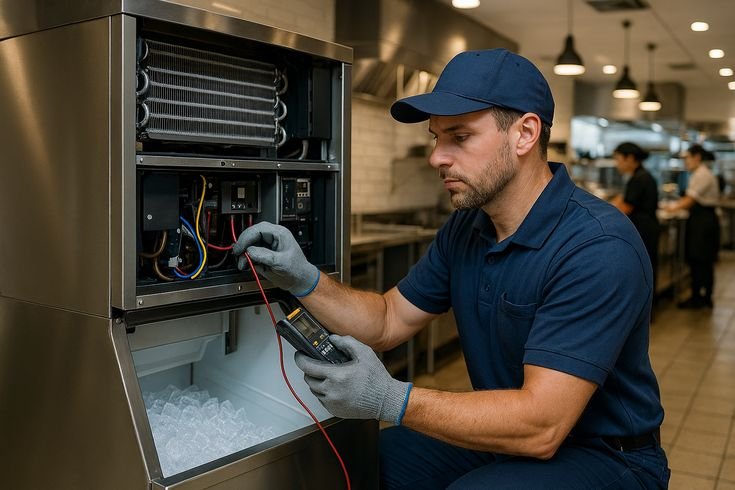
How Professional Appliance Repair Works
Professional appliance repair generally begins with diagnosis rather than immediately replacing parts.
A technician first discusses the symptoms and examines the appliance. They may check the power supply, controls, water connections, airflow, sensors, motors, pumps, heating components, or other relevant parts.
Once the cause is identified, the technician can explain the repair and replacement options. After the repair, the appliance should be tested to make sure it is operating correctly.
This diagnostic approach is important because replacing a part without confirming the actual fault can lead to unnecessary expenses.
Final Thoughts
Learning how to repair home appliances starts with simple troubleshooting, not immediately taking an appliance apart. Check the power supply, settings, hoses, filters, vents, and error codes before assuming that an expensive component has failed.
Basic appliance repair tips and regular maintenance can help homeowners resolve simple problems and prevent avoidable breakdowns. However, safety should always come first. When a problem involves electricity, gas, high voltage, refrigerant, or damaged internal components, professional diagnosis is the safer option.
The goal is not to repair every appliance yourself. It is to understand the problem, make safe checks, and know when expert help is necessary.
Frequently Asked Questions About Home Appliance Repair
Can I repair home appliances myself?
You can safely handle some basic maintenance and troubleshooting tasks, such as cleaning filters, checking hoses, and verifying settings. Electrical, gas, high-voltage, and sealed-system repairs should generally be handled by qualified professionals.
What are the most common home appliance problems?
Common problems include appliances that will not start, stop heating or cooling, fail to drain, leak water, make unusual noises, or display error codes.
How do I troubleshoot an appliance that will not turn on?
Check the power cord, outlet, circuit breaker, controls, and door or lid. If the appliance still does not turn on, consult the owner’s manual for model-specific troubleshooting steps.
What appliances can I fix at home?
Basic troubleshooting can often be performed on washers, dryers, refrigerators, dishwashers, ovens, and other household appliances. The exact repair depends on the appliance model and the problem.
Is DIY home appliance repair safe?
It can be safe for simple maintenance tasks when the manufacturer allows them. Always disconnect power when appropriate and avoid repairs involving gas, high voltage, damaged wiring, or other serious hazards.
How do I know if an appliance needs professional repair?
Professional help is recommended when the problem involves electrical components, gas systems, high-voltage parts, refrigerant systems, repeated breaker trips, electrical shocks, or a fault you cannot safely identify.
Is it cheaper to repair or replace an appliance?
It depends on the appliance’s age, repair cost, condition, parts availability, and replacement price. A professional diagnosis can help you make a more informed decision.
How can I prevent common appliance problems?
Follow the manufacturer’s maintenance instructions, clean filters regularly, avoid overloading appliances, keep vents clear, inspect hoses and seals, and address unusual noises or leaks early.