
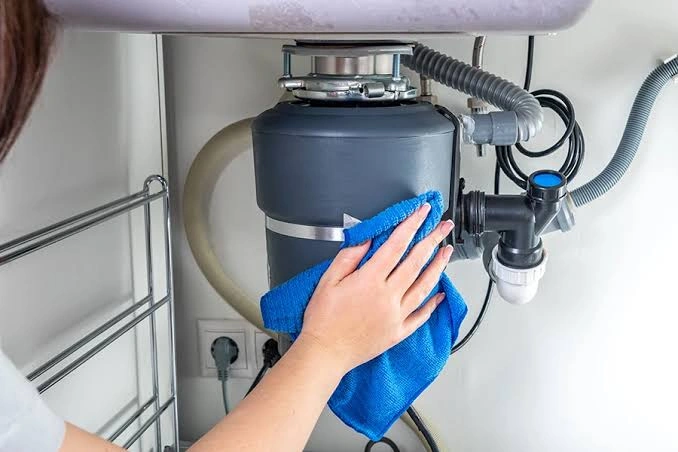
If your kitchen sink is backed up with gross, dirty water, you need an instant fix to get your kitchen running again. To fix a silent disposal, simply press the red reset button on the bottom of the unit, but if it hums without spinning, turn off the power and rotate the bottom flywheel manually with a 1/4-inch Allen wrench to break the jam.
You do not have to live with a broken sink, bad odors, or messy clogs any longer. Let us look at how to safely diagnose the issue and show you exactly how to repair garbage disposal units without the stress.
How to Diagnose a Garbage Disposal Problem
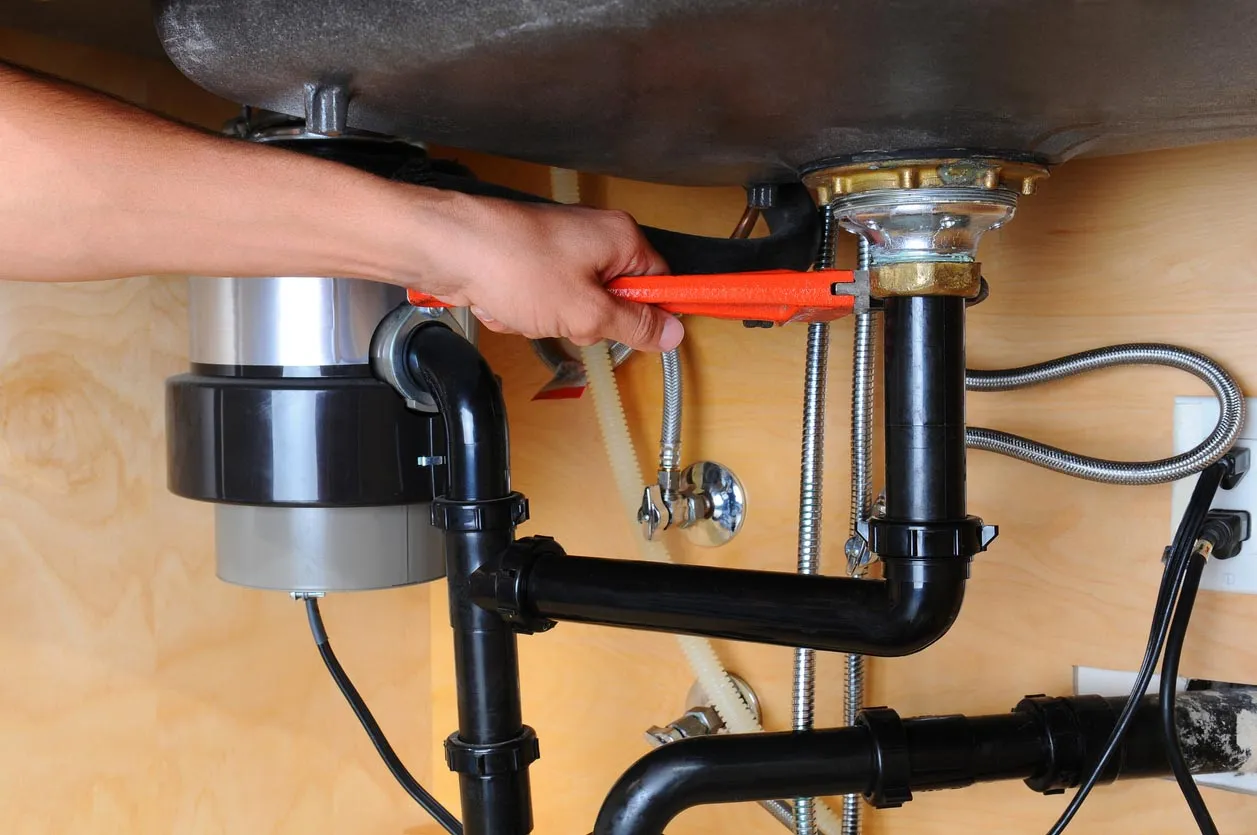
Before you try to fix garbage disposal issues, you need to find out what is wrong. Always turn off the power switch under the sink before you inspect the unit.
Listen closely when you flip the wall switch. Do you hear a low humming sound? Or is there absolute silence? A hum means the motor has power but the flywheel is stuck. Silence means your unit has no electrical power at all.
Next, look inside with a bright light. Do not stick your hand down the drain. Look for solid objects caught between the blade and the outer wall. If the water sits still and pools in your sink, you have a clog. If you see water puddles on the cabinet floor, your unit has a structural leak.
What Causes a Garbage Disposal to Leak?
Leaks are one of the most common reasons people search for garbage disposal repair. Water usually escapes from one of three spots: the sink flange, the discharge pipe, or the internal seal.
Sink flange leaks happen when the plumber’s putty or seal under the sink flange dries out and cracks. This is common in units older than five years.
Discharge pipe leaks show up where the disposal connects to your drain pipe. A loose bolt or worn gasket is usually the cause.
Internal seal leaks are trickier. If water drips from the bottom of the unit itself, the internal seal has likely failed. This type of leak often means the unit needs replacing rather than repairing.
To check where a leak is coming from, dry the area completely. Run water through the disposal and watch closely. Wherever the water first appears is your leak point.
Why Your Garbage Disposal Won’t Drain Properly
Slow or blocked drainage is another frequent complaint. Before assuming the worst, check these common causes.
Food buildup is the top reason for poor drainage. Fibrous foods like celery, corn husks, and potato peels wrap around the blades and block the drain path. Grease is another major culprit. It cools and hardens inside the pipes, narrowing the space water needs to pass through.
A blocked P-trap under the sink can also stop water from draining, even if the disposal itself works fine. Disconnect the trap and check for buildup.
If you’re trying to fix garbage disposal drainage problems, run hot water for 30 seconds after each use. This helps push grease through before it hardens. Avoid pouring bacon grease, oil, or coffee grounds down the drain going forward.
How to Fix a Garbage Disposal That Is Stuck
When a hard object jams the spinning plate, the motor will lock up and hum. You must act quickly so the motor does not burn out.
1.Shut off the electrical power
Turn off the wall switch. Go to your home service panel and flip the breaker switch for the kitchen sink outlet to ensure total safety.
2.Free the jammed flywheel
Look at the absolute bottom of the unit under the sink. Find the small hexagonal hole in the center. Insert a 1/4-inch Allen wrench into this hole. Move the wrench back and forth until it spins freely in a complete circle.
3.Clear out the debris
Shine a light down the sink drain. Use long needle-nosed pliers or kitchen tongs to lift out the object that caused the jam. Never insert your fingers into the drain.
4.Reset the internal thermal breaker
Let the motor cool for 5 minutes. Press the small red reset button located on the bottom or side of the unit casing. Turn the power back on and test the unit with cold running water.
You can read about: How to Repair Scratched Glass Cooktop
Can You Repair a Garbage Disposal Without Replacing It?
Yes, you can fix many common mechanical failures without buying a brand-new appliance. If your unit is silent, the solution is often a simple electrical reset rather than a full replacement. Jammed impellers can almost always be freed using the manual wrench method shown above.
However, a cracked outer body or a burned-out motor cannot be fixed. If the motor smells like melting plastic or smokes when you turn it on, the internal parts are ruined. For minor leaks at the joints or simple clogs, a manual repair and a garbage disposal approach will save you hundreds of dollars.
Signs It’s Time to Call a Professional
Some kitchen plumbing issues are too large or dangerous for a standard weekend DIY project. If you try to clear a deep mainline clog with a hand snake and the water still stays high, you need professional gear.
Large cracks in the main body or constant water leaks from the electrical wiring box mean you have major safety risks. If you are uncomfortable working around electrical lines or under-sink wiring, do not take the risk.
For homeowners who need reliable appliance service, At Just Appliances, our team can handle the heavy lifting safely. If you live in our service region, you can look up garbage disposal repair kent to schedule a professional technician who can evaluate your system and handle complex electrical hookups.
Garbage Disposal Repair Cost: What to Expect
Costs vary based on the problem. Here’s a general breakdown:
- Jam or reset issue: Often free if you fix it yourself
- Seal or gasket replacement: $50 to $150 with a technician
- Leak repair: $75 to $200 depending on the source
- Electrical repair: $100 to $250
- Full unit replacement: $200 to $600 including labor
Getting a quote before repair work starts is always a good idea. Ask if the quote includes parts, labor, and any disposal fees for the old unit.
DIY Garbage Disposal Repair Checklist
Keep this list handy before you start any repair garbage disposal project at home.
- Allen wrench or disposal wrenching tool
- Flashlight
- Tongs or pliers (never your hands)
- Plumber’s putty or replacement gasket
- Bucket for catching water
- Screwdriver for mounting bracket adjustments
Having these tools ready before you start saves you extra trips and keeps the job moving smoothly.
Preventive Maintenance for Long-Lasting Performance
The best way to manage a repair is to prevent the damage from happening in the first place. Good habits will keep your blades sharp and your drain pipes clean for years.
Always run a strong stream of cold water before, during, and for 15 seconds after you grind food scraps. Cold water keeps fats solid so the blades can chop them up cleanly before they reach your plumbing lines. Hot water melts grease, which lets it slide deep into the pipes and cool down into a stubborn clog.
Never drop fibrous materials like celery, corn husks, or onion skins into the machine. These fibers wrap around the spinning components and lock up the motor.
To clean the system naturally, drop a handful of ice cubes and a few lemon peels down the drain once a month. Run the unit with cold water to scrub away slime and clear out foul odors.
Conclusion
Learning how to repair garbage disposal units can keep your kitchen running well and save you cash. Most common issues come down to simple clogs or basic mechanical jams that you can resolve with an Allen wrench. Just remember to put safety first by cutting off the power supply before you look down the drain or work under the sink.
Take care of your machine with regular cleanings, plenty of cold water, and the right food choices. If a leak persists or the motor stops working completely, reach out to a professional to get your kitchen plumbing back on track.
FAQs
Why does my garbage disposal hum but not spin?
This usually means something is jammed in the blades. Turn off the power and use an Allen wrench in the hex hole to manually free the flywheel.
Is it safe to repair a garbage disposal myself?
Yes, for jams, clogs, and minor leaks. Always disconnect power first and never place your hand inside the unit.
How long do garbage disposals usually last?
Most units last between 8 and 15 years with regular care and proper use.
Can I use chemical drain cleaners on a clogged disposal?
No. These chemicals can damage the internal seals and blades. Stick to hot water, ice, and manual clearing methods.
What’s the difference between a jam and a clog?
A jam means something is physically stuck in the blades. A clog means food or grease is blocking the drain path further down the pipe.