
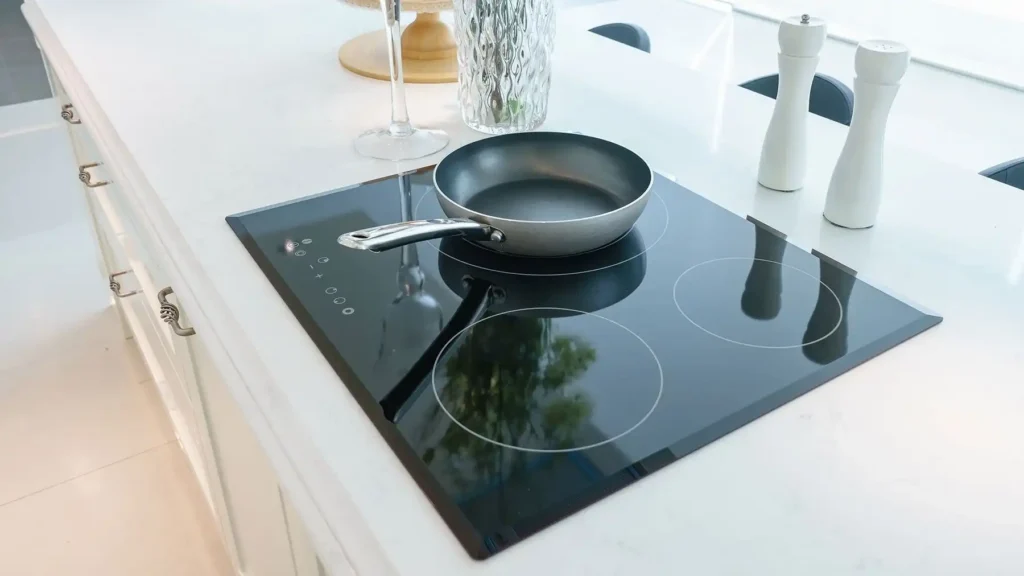
Scratches on a glass cooktop are frustrating, but they don’t always mean a replacement is coming. Most light scratches can be fixed at home with the right materials and a little patience. Deep scratches are harder to remove but can often be minimized so they’re barely noticeable. The surface isn’t ruined just because it looks rough right now.
Knowing how to repair scratched glass cooktop damage correctly saves you money and keeps your kitchen looking clean. This guide covers every method, every tool, and every mistake to avoid so you get the best result possible.
What Causes Scratches on a Glass Cooktop?
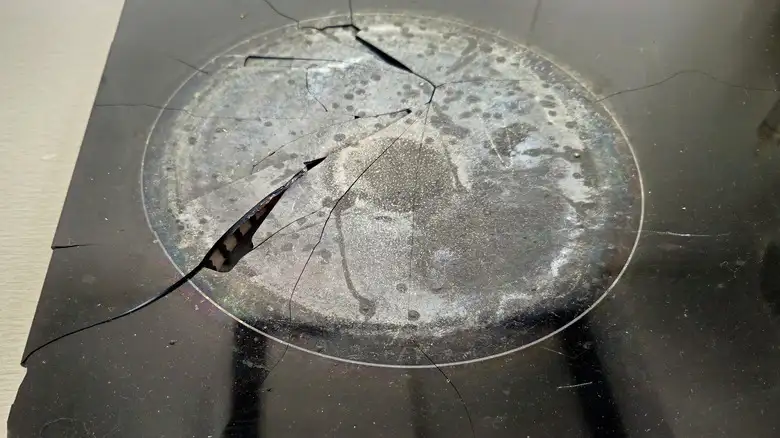
Glass cooktops look tough, but the surface is more delicate than most people expect. Understanding what causes damage helps you avoid repeating the same mistakes after the repair.
Rough cookware bottoms are the most common cause. Cast iron skillets, stoneware, and pots with textured or uneven bases drag across the glass and leave marks with every use.
Sliding pots and pans instead of lifting them creates long surface scratches that are difficult to remove. Even lightweight aluminum pans scratch glass when dragged.
Abrasive cleaning products are another major cause. Steel wool, scouring pads, and gritty cleansers scratch the glass surface during routine cleaning.
Sugar and food debris left on the surface during cooking can bond with the glass under heat and cause pitting or deeper scratching when scraped off incorrectly.
Using a glass cooktop scraper incorrectly — applying too much pressure or holding it at the wrong angle damages the surface rather than protecting it.
Can a Scratched Glass Cooktop Be Repaired?
The honest answer depends on how deep the scratch is.
Light surface scratches — the kind that catch light but don’t have a noticeable depth when you run your fingernail across them — can be repaired at home in most cases. The right polishing compound fills and buffs them out.
Medium scratches that your fingernail catches slightly can often be reduced significantly, though complete removal isn’t always possible.
Deep scratches and chips that penetrate well into the glass surface are difficult to fully repair at home. You can minimize their appearance, but complete removal usually isn’t realistic without professional help.
One important point: if a scratch has created a crack in the glass, the cooktop needs to be replaced, not repaired. Cooking on cracked glass is a safety risk. Heat distributes unevenly across a crack and the glass can shatter.
Tools and Materials You Will Need
Gather everything before you start. Having the right materials on hand makes the process smoother and reduces the chance of making the scratch worse during the repair.
- Cerium oxide powder or a dedicated glass polishing compound
- Baking soda (for light scratch repair)
- White non-gel toothpaste (for very minor surface marks)
- Soft microfiber cloths
- A glass cooktop scraper with a fresh razor blade
- Mild dish soap and warm water
- A spray bottle
- Isopropyl alcohol
- Painter’s tape (to protect the area around the scratch)
- A soft buffing pad or electric drill with a polishing attachment for deeper work
Avoid anything abrasive. No paper towels, no rough sponges, no regular kitchen cleaning pads.
How to Repair a Scratched Glass Cooktop (Step-by-Step)
Step 1 — Clean the Surface Thoroughly
Start with a completely clean cooktop. Spray the surface with warm soapy water and wipe it down with a soft microfiber cloth. Remove all grease, food residue, and cleaning product buildup.
Dry the surface completely. Any moisture left on the glass interferes with the polishing compounds and reduces their effectiveness.
Step 2 — Assess the Scratch
Run your fingernail across the scratch slowly. If your nail glides over it without catching, it’s a surface-level scratch. If your nail catches a noticeable groove, it’s a medium to deep scratch. This tells you which method to use.
Step 3 — Protect the Surrounding Area
Place painter’s tape around the scratched area. This keeps your polishing compound contained to the damaged zone and prevents accidental dulling of the surrounding glass.
Step 4 — Apply Your Chosen Polish
For light scratches, apply a small amount of baking soda paste or white toothpaste to the scratch. For medium scratches, use a cerium oxide compound mixed with water to form a thick paste.
Apply the compound directly to the scratch with a soft cloth or buffing pad.
Step 5 — Buff in Circular Motions
Work the compound into the scratch using small, steady circular motions. Apply moderate pressure. Don’t scrub aggressively — consistent gentle pressure over several minutes works better than hard scrubbing.
If using an electric drill with a polishing pad, keep the speed low and keep the pad moving constantly to avoid heat buildup on the glass.
Step 6 — Wipe and Inspect
Wipe off the compound with a clean damp microfiber cloth. Inspect the scratch under good lighting. If it’s still visible, repeat the process two to three more times. Light scratches usually require two to three passes. Deeper ones may need five or more.
Step 7 — Final Clean
Once satisfied with the result, clean the entire cooktop surface with isopropyl alcohol and a fresh microfiber cloth. This removes any compound residue and restores the glass shine.
You can read about: How to Repair Gas Stove Igniter
How to Remove Light Scratches from a Glass Cooktop
Light scratches respond well to three accessible home remedies.
Baking soda paste works for very fine surface marks. Mix two parts baking soda with one part water to form a paste. Apply it to the scratch and buff gently with a soft cloth for two to three minutes. Wipe clean and check the result.
White toothpaste contains mild abrasives that polish fine surface marks. Apply a small amount to a soft cloth and rub it into the scratch in circular motions for two minutes. This method works on the finest scratches only.
Cerium oxide is the most effective option for removing light to medium scratches from glass cooktop surfaces. It’s the same compound used to polish automotive glass and optical lenses. Mix it with water, apply it to the scratch, and buff with a soft pad. It genuinely removes scratches from glass cooktop surfaces rather than just masking them.
How to Minimize the Appearance of Deep Scratches
Deep scratches can’t always be removed fully at home, but their visibility can be reduced significantly.
Cerium oxide with a powered buffer gives the best result for deeper marks. Multiple polishing sessions with a slow-speed rotary tool and a soft wool pad gradually reduce the depth and visual impact of the scratch.
Cooktop repair kits sold by appliance retailers contain filling compounds designed specifically for fixing scratches on glass cooktop surfaces. These compounds fill the scratch rather than removing it, which works well for marks that are too deep to polish out.
Glass surface wax applied after polishing fills microscopic surface irregularities and makes scratches less reflective under light. It doesn’t remove the scratch, but the visual difference is noticeable.
Accept realistic outcomes with deep scratches. A significant reduction in visibility is a good result. Complete removal at home isn’t always possible, and attempting to over-buff a deep scratch can dull the surrounding glass.
Mistakes to Avoid When Repairing a Glass Cooktop
These errors make the problem worse and sometimes create new damage.
Using steel wool or scouring pads at any stage of the repair adds more scratches to the surface. Use soft microfiber cloths only.
Applying too much pressure while buffing can create swirl marks in the glass that are more visible than the original scratch under certain lighting.
Using the wrong scraper angle when clearing debris before repair. A glass cooktop scraper should be held at a 45-degree angle to the surface. Holding it steeper digs into the glass.
Skipping the cleaning step before polishing traps grit under the buffing pad and creates additional fine scratches during the repair process.
Using colored toothpaste or gel toothpaste — these contain dyes and larger particles that stain or damage the glass surface. Only plain white toothpaste works for this purpose.
Buffing in straight lines creates directional marks that catch light differently than the surrounding glass. Always work in circular motions.
How to Protect Your Glass Cooktop from Future Scratches
Prevention is significantly easier than glass cooktop repair after the fact.
- Always lift pots and pans rather than sliding them across the surface
- Use cookware with smooth, flat bottoms — avoid cast iron unless it has a perfectly smooth base
- Clean the cooktop after every use before food residue hardens and requires scraping
- Use a dedicated glass cooktop cleaner rather than general kitchen sprays
- Keep a proper glass cooktop scraper on hand and use it at the correct angle for stuck food
- Place a silicone mat under heavy cookware when storing it near the cooktop
- Clean the cooktop only when it’s completely cool — cleaning hot glass can cause thermal stress
When Should You Replace a Scratched Glass Cooktop?
Repair makes sense for cosmetic scratches that don’t affect function. Replacement is the right call in these situations.
The glass is cracked. Any crack, regardless of size, is a safety issue. Cracked glass distributes heat unevenly and can shatter during use.
The scratch is directly under a burner element. Damage in this location affects heat conduction and cooking performance.
The surface has multiple deep scratches across a large area. At some point, cumulative damage makes the cooktop difficult to clean and visually beyond reasonable repair.
The cooktop is already old and showing other problems. If the heating elements are uneven, the controls are unreliable, or repairs are needed elsewhere, combining a surface replacement with an appliance replacement makes financial sense.
When to Call a Professional for Glass Cooktop Repair
Some situations are beyond what home repair can address. If the scratch has created a crack, if the surface has chipped near a burner, or if multiple repair attempts haven’t produced acceptable results, a professional assessment is the right next step.
Just Appliances provides reliable cooktop repair near Kent for homeowners dealing with glass cooktop damage that goes beyond surface polishing. A qualified technician can assess whether the damage is purely cosmetic or whether it affects the cooktop’s safe operation, and give you an honest recommendation on repair versus replacement.
Conclusion
Knowing how to repair scratched glass cooktop surfaces properly makes a real difference in the outcome. Light scratches respond well to baking soda, toothpaste, or cerium oxide with consistent, patient buffing. Deeper scratches take more effort and realistic expectations, but they can be minimized significantly with the right approach and the right materials.
Work methodically, use the right tools, and avoid the common mistakes that turn a minor cosmetic issue into a bigger problem. And when the damage is beyond what a home repair can address, getting a professional involved early saves time and prevents further damage to an appliance you rely on every day.
Frequently Asked Questions
Q1: Does toothpaste actually work for fixing scratches on glass cooktop surfaces?
Plain white toothpaste works on very fine surface marks because it contains mild abrasive particles similar to polishing compounds. It’s not effective on medium or deep scratches. Use it as a first attempt on barely visible marks and move to cerium oxide if the scratch is more pronounced.
Q2: Will baking soda damage a glass cooktop if used for scratch repair?
Baking soda is a mild abrasive and is safe for glass cooktop surfaces when used correctly. Mix it with water to form a paste and apply it with a soft cloth using gentle circular pressure. Never use dry baking soda directly on the glass, as dry abrasives can create additional fine scratches.
Q3: How long does it take to remove scratches from glass cooktop surfaces?
Light scratches typically take 10 to 20 minutes of buffing across two to three passes. Medium scratches may require several sessions over multiple days using cerium oxide. Deep scratches are an ongoing process and may never fully disappear with home repair methods.
Q4: Can I use a regular car polish to repair my glass cooktop?
Some car polishes contain cerium oxide or similar glass-safe compounds and can work on glass cooktop surfaces. Avoid polishes that contain fillers, waxes, or compounds designed for painted automotive surfaces these can leave residue that’s difficult to clean and may not be safe near cooking surfaces.
Q5: Is it safe to cook on a glass cooktop that has surface scratches?
Surface scratches that haven’t created cracks or chips are cosmetic and don’t affect cooking safety. A scratched cooktop is safe to use. However, if the scratch has developed into a crack even a hairline crack stop using the cooktop immediately. Cracked glass is a genuine safety risk under cooking heat.