
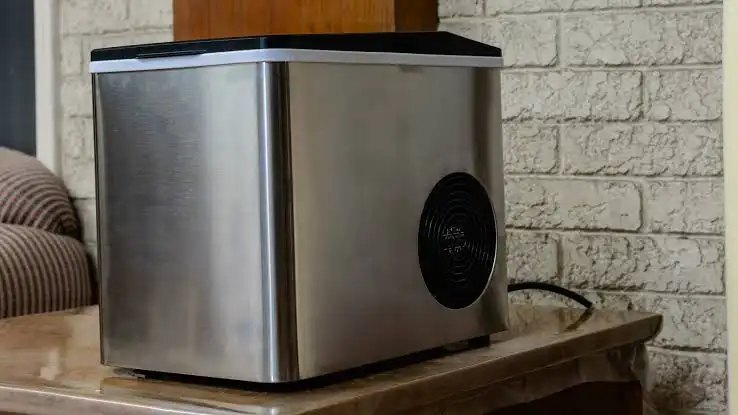
Your Frigidaire ice maker stopped working and now you have a warm drink and a lot of questions. Before you call a technician, know that most ice maker problems are caused by a handful of simple, fixable issues. Water supply problems, a frozen fill tube, a faulty sensor, or a stuck ice maker arm are the usual suspects.
Learning how to repair Frigidaire ice maker problems yourself is more straightforward than most people expect. This guide covers every common cause, every repair step, and tells you exactly when a professional is the smarter call.
How Does a Frigidaire Ice Maker Work?
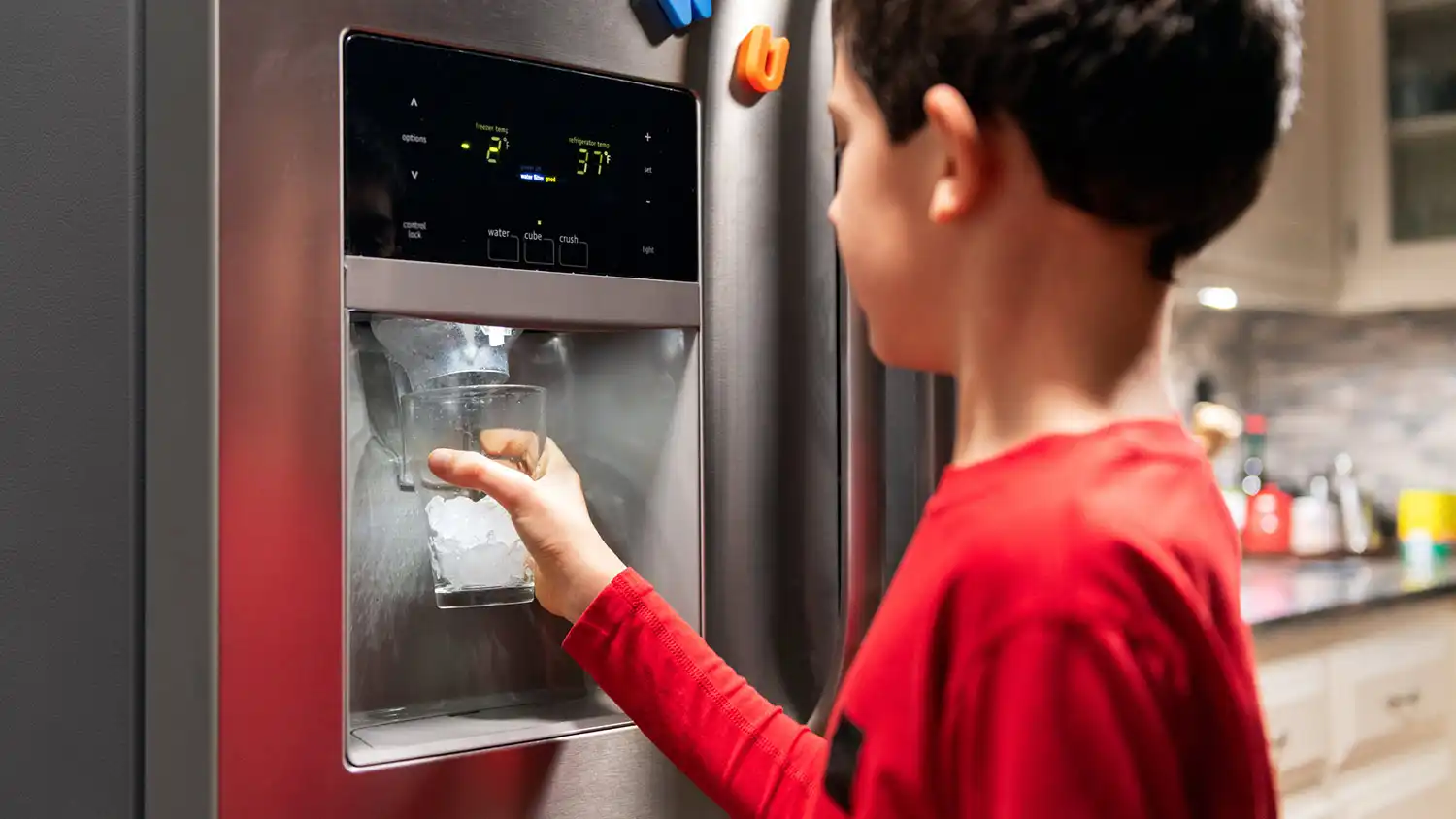
Understanding the basics helps you diagnose problems faster.
Your Frigidaire ice maker follows a simple cycle. Water flows in through the fill valve into a mold tray. The freezer cools the water until it becomes solid ice. A heating element briefly warms the mold to release the cubes. A motor-driven ejector arm pushes the ice into the storage bin. A sensor or shut-off arm detects when the bin is full and pauses the cycle.
When any one of these parts fails, the whole cycle stops. That is why Frigidaire ice maker trouble almost always traces back to one specific component rather than the whole unit.
Common Signs Your Frigidaire Ice Maker Needs Repair
Not every ice maker problem looks the same. Here are the signs to watch for.
The ice maker produces no ice at all. It makes ice but only in very small amounts. The ice comes out in clumps or stuck together. You hear the ice maker cycling but no ice drops into the bin. The ice tastes bad or has an off smell. Water is leaking from the ice maker or pooling in the freezer. The unit makes loud grinding or clicking noises during the cycle.
Each of these symptoms points to a different part of the system. Knowing which symptom you have narrows down the repair quickly.
What Causes a Frigidaire Ice Maker to Stop Making Ice?
This is the question most people start with. Here are the most common causes.
The water supply line is kinked, frozen, or shut off. The water inlet valve is faulty and does not let water into the mold. The ice maker arm or sensor is in the off position. The fill tube is frozen and blocking water flow. The ice maker module or control board has failed. The freezer temperature is too warm above 10 degrees Fahrenheit for ice to form properly. The water filter is clogged and restricting flow.
Frigidaire ice maker trouble often comes down to one of these causes. Working through them in order saves time.
Safety Precautions Before You Start the Repair
Before you touch anything inside your freezer, take these steps.
Unplug the refrigerator from the wall outlet. Turn off the water supply line connected to the back of the fridge. Have a towel ready because water will drip when you disconnect supply lines. Give the freezer thirty minutes to partially defrost if you suspect a frozen component. Wear dry work gloves when handling electrical components.
These steps take five minutes and prevent most accidents that happen during DIY appliance repair.
Tools You Will Need to Repair a Frigidaire Ice Maker
Before you begin, gather the following tools and supplies:
- Phillips head screwdriver – Removes screws securing panels and components.
- Flathead screwdriver – Helps pry off covers and release clips safely.
- 1/4-inch nut driver or socket set – Removes hex-head screws commonly used in Frigidaire refrigerators.
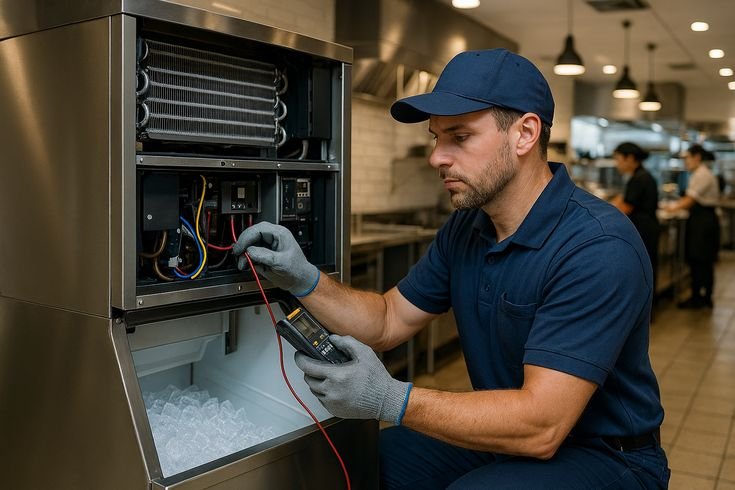
- Multimeter – Tests electrical components such as the water inlet valve, ice maker motor, and switches.
- Hairdryer (low heat setting) – Safely thaws frozen water lines or ice buildup. Avoid using high heat to prevent damage to plastic parts.
- Turkey baster or small funnel – Allows you to manually add water to the ice maker mold during troubleshooting.
- Flashlight – Improves visibility when inspecting tight or poorly lit areas inside the freezer.
- Replacement parts – Purchase parts that match your specific Frigidaire refrigerator model.
Tip: Before ordering replacement parts, locate your refrigerator’s model number, which is usually printed on a label inside the refrigerator door frame.
How to Repair a Frigidaire Ice Maker Step by Step
Work through these steps in order. Each one rules out a cause before you move to the next.
Step 1: Check the Ice Maker Power Switch
This sounds obvious but it is the most common reason for a non-producing ice maker. The switch is usually located on the side of the ice maker unit itself or on the control panel.
Make sure it is in the on position. Some models use a wire shut-off arm instead. If the arm is raised, lower it to the on position and wait twenty-four hours to see if ice production resumes.
Step 2: Check the Freezer Temperature
Your freezer needs to be between 0 and 5 degrees Fahrenheit for the ice maker to work correctly. Anything above 10 degrees and ice will not form properly.
Check the temperature with a freezer thermometer. If it is too warm, adjust the thermostat and give it a few hours to stabilize before testing again.
Step 3: Inspect the Water Supply Line
Pull the refrigerator away from the wall. Check the water line running from the wall valve to the back of the fridge. Look for kinks, bends, or visible damage.
Make sure the wall shut-off valve is fully open. A partially closed valve restricts flow enough to stop ice production without triggering any obvious error.
Step 4: Thaw a Frozen Fill Tube
The fill tube is the small plastic tube that delivers water into the ice mold. It freezes over more often than most people realize, especially in older units.
Use a hairdryer on a low heat setting to gently warm the tube for two to three minutes. You can also use a turkey baster filled with warm water to flush the tube from the top.
Once clear, plug the fridge back in and run a test cycle to see if water flows normally.
Step 5: Test the Water Inlet Valve
The inlet valve controls water flow into the ice maker. When it fails, no water enters the mold and the cycle cannot complete.
Unplug the fridge and locate the valve at the back lower section of the refrigerator. Use your multimeter to test for continuity across the valve solenoid terminals. A reading of no continuity means the valve has failed and needs replacement.
Inlet valve replacement is one of the most common fixes in frigidaire ice maker repair jobs. The part is inexpensive and takes about twenty minutes to swap out.
Step 6: Inspect the Ice Maker Module
The module is the brain of the ice maker. It controls timing, the ejector motor, and the heating element.
If water is reaching the mold but no ice is being ejected, the module is the likely cause. You can test it by manually advancing the test cycle. On most Frigidaire models, press and hold the test button on the module for three seconds. You should hear the motor run and see the ejector arm move.
If nothing happens, the module needs replacement.
Step 7: Check the Ice Level Sensor
Newer Frigidaire models use an infrared sensor to detect how full the ice bin is. If the sensor is dirty or misaligned, it thinks the bin is full even when it is empty.
Clean the sensor lenses on both sides of the ice bin opening with a dry cloth. Realign any components that appear shifted. Then run a test cycle to check if production resumes.
You can read about: How to Repair Oven
How to Fix Common Frigidaire Ice Maker Problems
Some problems come up repeatedly. Here is how to handle the most frequent ones.
Ice comes out in clumps. This means ice is melting slightly and refreezing together in the bin. Check the freezer door seal and make sure the bin is not sitting too close to a warm air vent inside the freezer.
The ice maker makes noise but no ice drops. The ejector arm is likely jammed or the mold heater has failed. Manually check the arm for obstructions. Test the heater for continuity with a multimeter.
Water leaks from the ice maker. A cracked water inlet line or a loose connection at the fill tube is usually the cause. Inspect both and tighten or replace as needed.
Ice tastes or smells bad. Replace the water filter if it has not been changed in the last six months. Flush the system by running and discarding two or three ice cycles after the new filter is installed.
These are the repair frigidaire ice maker situations that come up most often and most are solvable in under an hour.
When Should You Replace Instead of Repairing a Frigidaire Ice Maker?
Not every repair is worth doing. Here is when replacement makes more sense.
The ice maker is more than eight to ten years old and has failed multiple times. The cost of parts exceeds half the price of a new ice maker unit. The main control board has failed on a unit that has already had multiple repairs. Physical damage to the ice mold or housing is too severe to fix.
In these cases, a full ice maker unit replacement is a better investment than continuing to fix individual parts. Replacement units for Frigidaire refrigerators are widely available and most are designed to swap in without special tools.
Maintenance Tips to Keep Your Frigidaire Ice Maker Working Properly
Preventing problems is always easier than fixing them. These habits keep your ice maker running reliably.
Replace the water filter every six months. Do not let the ice bin overfill clear it out regularly so ice does not compact and jam the ejector. Clean the ice bin with warm water and baking soda every three months. Check the water supply line connection at the back of the fridge once a year for any signs of dripping. Keep the freezer temperature consistently between 0 and 5 degrees Fahrenheit. Wipe the ice level sensor lenses every few months to keep them clear.
Following these steps prevents the majority of fix frigidaire ice maker calls before they ever happen.
How Long Does a Frigidaire Ice Maker Last?
A well-maintained Frigidaire ice maker typically lasts between seven and twelve years. Units that are cleaned regularly, have their filters changed on schedule, and run in a properly calibrated freezer tend to last toward the higher end of that range.
Neglected units with clogged filters, dirty sensors, and inconsistent temperatures often start having problems within four to five years. Regular maintenance is the single biggest factor in ice maker longevity.
Final Thoughts
Most how to repair Frigidaire ice maker problems come down to a short list of fixable causes: a frozen fill tube, a faulty inlet valve, a dirty sensor, or a failed module. Work through the steps in this guide and you will resolve the majority of issues without needing outside help.
If you have worked through every step and the unit still is not producing ice, or if the repair involves components you are not comfortable replacing, that is the right time to bring in a professional. Just Appliances provides expert Ice Maker Repair in Kent WA for exactly these situations. Our technicians carry common Frigidaire parts on every service call so most repairs are completed in a single visit.
Do not let a broken ice maker sit unresolved. The longer a faulty inlet valve or frozen line goes without attention, the more likely it is to cause water damage or strain other components in the refrigerator.
Frequently Asked Questions
Q1: How do I reset my Frigidaire ice maker when it stops working?
Locate the on/off switch or the test button on the ice maker module. Turn the unit off, wait thirty seconds, then turn it back on. On models with a test button, press and hold it for three seconds to trigger a manual test cycle. If the unit completes the cycle, it has reset successfully. If nothing happens, the problem is mechanical or electrical rather than a simple reset issue.
Q2: Why is my Frigidaire ice maker running but not producing ice?
The most common causes are a frozen fill tube, a failed water inlet valve, or a clogged water filter restricting flow. Check the fill tube for ice blockage first since it is the easiest fix. Then test the inlet valve for continuity and replace the water filter if it has not been changed recently.
Q3: How much does it cost to repair a Frigidaire ice maker?
DIY repair costs vary based on the part needed. A water inlet valve typically costs fifteen to forty dollars. An ice maker module runs between thirty and eighty dollars depending on the model. A full ice maker assembly replacement costs between sixty and one hundred fifty dollars. Professional repair adds labor costs on top of parts, usually ranging from one hundred to two hundred dollars total depending on the issue.
Q4: Can a Frigidaire ice maker freeze up and how do I fix it?
Yes. A frozen fill tube or frozen water in the mold tray is a common Frigidaire ice maker trouble issue. Use a hairdryer on a low setting to thaw the fill tube gently. For a frozen mold, unplug the unit and let it defrost naturally for a few hours before restarting. If freezing happens repeatedly, check the freezer temperature and inspect the water inlet valve for slow dripping that refreezes overnight.
Q5: How often should I clean my Frigidaire ice maker?
Clean the ice bin every three months with warm water and baking soda. Wipe the ice level sensor lenses monthly with a dry cloth. Replace the water filter every six months. A full internal cleaning of the ice maker components is recommended once a year to prevent mineral buildup and bacterial growth inside the water lines and mold tray.