

A refrigerator will make some noise while it runs, but a sudden or unusually loud sound can be a sign that something needs attention. If you are wondering what to do if refrigerator is making loud noise, start by identifying where the sound is coming from and what it sounds like.
A low hum from the compressor, occasional clicking, or water flowing through the ice maker can be normal. However, loud buzzing, grinding, rattling, scraping, or excessive vibration may point to a fan problem, loose component, ice buildup, poor levelling, or another issue.
The good news is that some refrigerator noises are easy to troubleshoot. Here’s how to identify the cause and determine when professional repair may be necessary.
Is a Loud Refrigerator Noise Normal?
Yes, some refrigerator sounds are part of normal operation. The compressor turns on and off to maintain the temperature, while fans circulate air through the refrigerator and freezer.
You may normally hear:
- A soft humming from the compressor
- Air movement from the fans
- Clicking when the compressor starts or stops
- Water flowing into the ice maker
- Occasional popping or cracking as interior materials expand and contract
The concern is when the sound becomes much louder than usual, happens continuously, or is accompanied by poor cooling or another noticeable problem.
If your refrigerator suddenly starts making a sound you have never heard before, it is worth investigating.
Why Is My Refrigerator Making a Loud Noise?
If you are asking, “why is my refrigerator making a loud noise?”, several components could be responsible. The type and location of the noise can provide useful clues.
1. The Refrigerator Is Not Level
An uneven refrigerator can vibrate while the compressor or fans are running. That vibration may become louder when the appliance is sitting against the floor, wall, or nearby cabinets.
Gently check whether the refrigerator rocks when you push it. If it does, the levelling feet may need adjustment.
Also make sure the refrigerator has enough clearance around it and isn’t pressing against a wall or cabinet.
2. The Refrigerator Is Touching a Wall or Cabinet
Even normal operating vibrations can become surprisingly loud when they transfer to another surface.
Check the space behind and beside the refrigerator. Make sure the appliance isn’t touching:
- A wall
- Kitchen cabinets
- Counter tops
- Another appliance
- Loose objects
Creating the appropriate clearance recommended by the manufacturer may reduce the noise.
3. The Condenser Fan Is Dirty or Obstructed
The condenser fan helps move air around the condenser area. Dust, debris, or an obstruction can contribute to unusual buzzing or rattling sounds.
If the fan area is accessible according to your refrigerator’s instructions, inspect it for excessive dust or debris. Always disconnect power before cleaning accessible components.
Don’t remove sealed-system components or attempt electrical repairs yourself.
4. The Evaporator Fan Is Making Noise
The evaporator fan circulates cold air inside the refrigerator and freezer. If the fan blade is obstructed by ice or debris, it may produce buzzing, scraping, or grinding sounds.
A useful clue is the location of the noise. If the sound appears to come from inside the freezer compartment, the evaporator fan may be worth investigating.
Persistent grinding or scraping should be professionally diagnosed rather than ignored.
5. The Compressor Is Loud
The compressor normally produces a low humming or vibrating sound while operating. However, a significant change in compressor noise can indicate a problem.
If the compressor is unusually loud, repeatedly clicking, or struggling to start while the refrigerator is also having cooling problems, professional diagnosis is recommended.
Compressor and sealed-system repairs are not suitable DIY projects for most homeowners.
6. The Ice Maker or Water Valve Is Making Noise
Ice makers naturally make several sounds during their cycle. You may hear water entering the ice maker, ice dropping into the bin, or a short mechanical sound during the harvest cycle.
However, a continuous buzzing sound can indicate an issue with the water supply, inlet valve, or ice maker.
If the ice maker is turned on but does not have a proper water supply, the appliance may also make unusual sounds.
Refrigerator Making Vibrating Noise? Check These Things First
A refrigerator making vibrating noise is often related to the appliance’s position rather than a major internal failure.
Start with these simple checks:
Check the Refrigerator’s Level
Make sure the refrigerator is sitting firmly on the floor. Adjust the levelling feet if necessary, following the manufacturer’s instructions.
Check for Loose Items
Look for bottles, containers, trays, or other objects that may be vibrating against each other or against the refrigerator.
Also check the top of the appliance. Items stored there can amplify normal operating vibrations.
Check the Drip Pan and Accessible Panels
A loose drip pan, cover, or other accessible component can create a rattling or vibrating sound.
Only inspect or adjust components that are designed to be accessed by the homeowner.
Check the Space Around the Appliance
Make sure the refrigerator isn’t touching the wall or cabinets. Even a small amount of contact can make normal vibration sound much louder.
How Do I Stop My Fridge From Making a Loud Noise?
If you’re wondering, “How do I stop my fridge from making a loud noise?”, begin with the easiest checks before assuming a major repair is needed.
1. Identify the source of the noise.
Listen near the back, bottom, inside the freezer, and around the ice maker.
2. Pay attention to when it happens.
Does the noise occur constantly, only during cooling, or when the ice maker is running?
3. Check the refrigerator’s position.
Make sure it is level and isn’t touching surrounding surfaces.
4. Remove loose objects.
Check shelves, the top of the refrigerator, and the area around the appliance.
5. Look for visible ice buildup.
Excessive frost around a fan can cause scraping or unusual fan noise.
6. Clean accessible areas when appropriate.
Follow the manufacturer’s instructions and disconnect power before cleaning areas that require it.
If the noise continues after these basic checks, the source may require professional diagnosis.
Common Causes of Refrigerator Noise
The sound itself can provide a helpful starting point.
| Refrigerator Noise | Possible Cause |
|---|---|
| Humming | Compressor or fan |
| Buzzing | Fan, ice maker, or water valve |
| Rattling | Loose component or vibration |
| Grinding | Fan or mechanical problem |
| Clicking | Compressor, ice maker, or normal cycling |
| Scraping | Fan contacting ice or debris |
| Vibrating | Uneven refrigerator or surrounding contact |
| Popping | Normal expansion and contraction |
These sounds are clues rather than guaranteed diagnoses. The same noise can have different causes depending on the refrigerator model and operating cycle.
Refrigerator Making Strange Noises: When Should You Be Concerned?
A refrigerator making strange noises does not always mean it needs immediate repair. However, certain combinations of symptoms should not be ignored.
Pay closer attention if:
- The refrigerator suddenly becomes much louder.
- The noise is getting progressively worse.
- The refrigerator is no longer cooling properly.
- You hear persistent grinding or scraping.
- The compressor repeatedly clicks without starting normally.
- The appliance is vibrating excessively.
- You notice a burning smell.
- The refrigerator is repeatedly tripping a circuit breaker.
If a loud noise occurs alongside a cooling problem, it’s especially important to have the appliance checked.
What Can You Safely Check Yourself?
Homeowners can handle several basic troubleshooting steps without opening the refrigerator’s internal electrical or sealed-system components.
You can usually check:
- Whether the refrigerator is level
- Whether it is touching a wall or cabinet
- Loose items around the appliance
- Visible ice buildup
- Accessible dust or debris
- Ice-maker settings
- Whether the noise changes during different operating cycles
Avoid attempting repairs involving refrigerant, compressors, electrical controls, or inaccessible internal components unless you have the appropriate training and equipment.
When Should You Call a Refrigerator Repair Professional?
If basic troubleshooting doesn’t solve the problem, professional diagnosis may be the safest option.
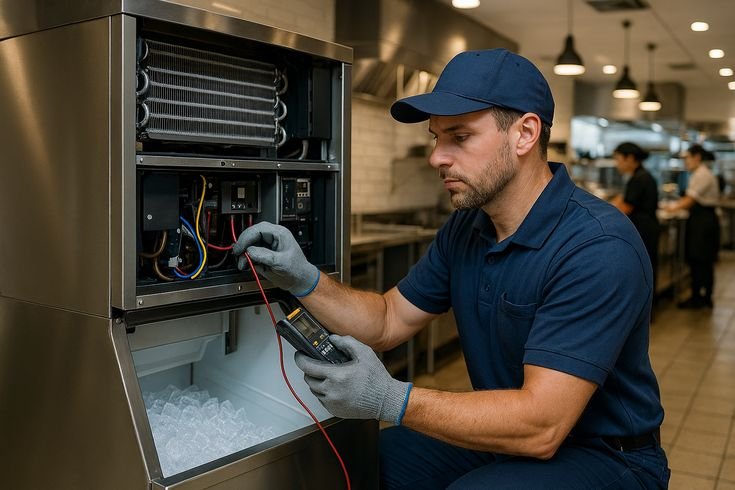
A technician can inspect the refrigerator’s fans, compressor, electrical components, ice maker, and other parts to determine exactly where the noise is coming from.
Professional help is particularly important when the refrigerator is:
- Making a loud grinding or scraping noise
- No longer cooling properly
- Repeatedly clicking
- Producing an unusual burning smell
- Experiencing electrical problems
- Vibrating excessively despite being level
- Making a noise that continues after basic troubleshooting
Getting the problem checked early can help prevent a minor component issue from developing into a more expensive repair.
How to Prevent Excessive Refrigerator Noise
Regular maintenance can help keep your refrigerator running smoothly and make unusual changes easier to notice.
Keep the refrigerator properly levelled and maintain the clearance recommended by the manufacturer. Don’t block interior air vents with food, and keep accessible areas clean according to the appliance’s maintenance instructions.
It’s also helpful to pay attention to your refrigerator’s normal operating sounds. If you know what your appliance normally sounds like, a sudden change is easier to recoginize.
Don’t ignore persistent noises simply because the refrigerator is still cooling. Some problems can become more serious if they are left unresolved.
Final Thoughts
A noisy refrigerator isn’t always a sign of a serious problem. Some humming, clicking, fan, and water-flow sounds are normal parts of everyday operation.
The key is to notice what the sound is, where it comes from, and when it happens. Start with simple checks such as levelling the refrigerator, checking surrounding clearance, removing loose objects, and looking for visible ice buildup.
If the noise is unusually loud, continues after basic troubleshooting, or comes with cooling or electrical problems, professional refrigerator repair can help identify the underlying issue before it becomes more costly.
Frequently Asked Questions
Why is my refrigerator making a loud noise?
A refrigerator can become loud because of an uneven position, loose component, condenser or evaporator fan, compressor, ice maker, or vibration against a nearby surface. The type and location of the noise can help identify the cause.
How do I stop my fridge from making a loud noise?
Start by checking that the refrigerator is level and not touching nearby cabinets or walls. Remove loose objects, check for visible ice buildup, and inspect accessible areas for debris. If the noise continues, professional diagnosis may be needed.
Is it normal for a refrigerator to make noise?
Yes. Humming, occasional clicking, fan sounds, and water-flow noises can be normal. A sudden, persistent, or unusually loud sound should be investigated.
Why is my refrigerator vibrating loudly?
An uneven refrigerator or contact with a wall, cabinet, or another object can cause excessive vibration. Loose components can also create rattling or vibrating sounds.
Why is my refrigerator making a grinding noise?
Grinding can be caused by a fan contacting ice or debris, a damaged fan component, or another mechanical issue. Persistent grinding should be inspected.
When should I call a refrigerator repair technician?
Professional help is recommended when loud noise is accompanied by poor cooling, repeated clicking, grinding, electrical issues, burning odors, or excessive vibration that doesn’t improve after basic checks.