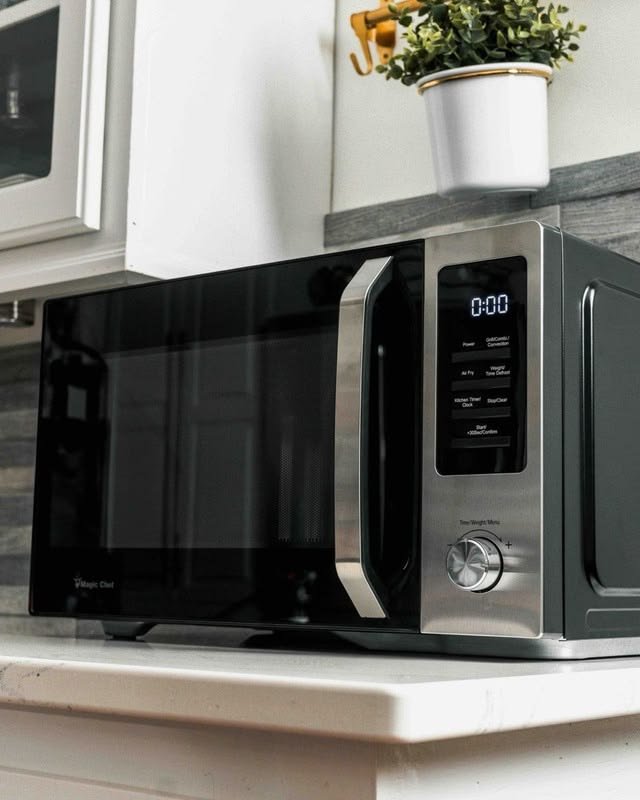

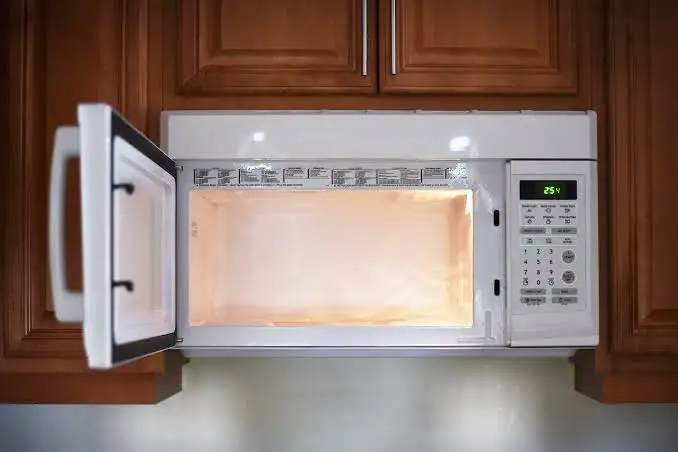
Your kitchen microwave works quietly in the background every single day to warm up your meals quickly. Yet, most homeowners do not think about this vital appliance until it suddenly stops heating their favorite dinner. A standard household microwave is built to serve you reliably for seven to ten years before it starts wearing out.
If you want to know how long do microwaves last, the answer depends heavily on how often you cook. Units that face heavy daily use by large families might wear out near the seven-year mark, while lightly used models easily stretch past a decade.
How Long Do Microwaves Last Compared to Other Kitchen Appliances?
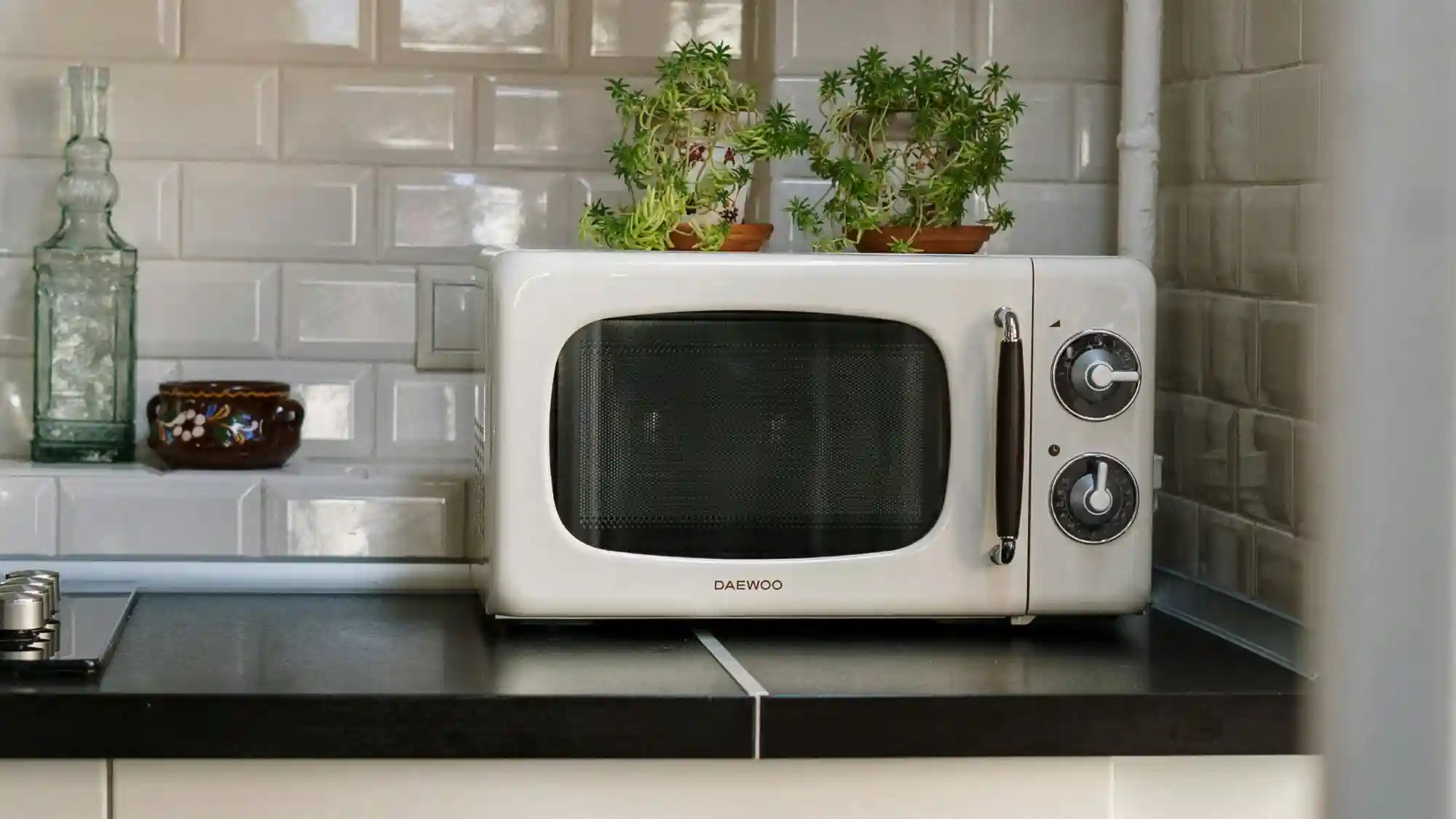
When you look at major kitchen appliances, the average life of a microwave is shorter than most. Large appliances like refrigerators and ranges have heavy-duty motors and thick steel frames. These large machines are designed to last 13 to 15 years without major issues.
Microwaves rely on delicate electronic parts that generate high-frequency radio waves. A standard refrigerator can easily last 15 years because its compressor is built for long-term endurance. A dishwasher usually runs smoothly for about 9 to 12 years before the water seals wear out.
An over-the-range microwave typically lasts 9 to 12 years because it experiences thermal heat from the stove below. A countertop microwave usually lasts 7 to 10 years due to frequent door slamming and food debris buildup.
Does Microwave Wattage Affect Lifespan?
The wattage of your machine dictates how hard the internal systems must work. Lower wattage units that run on 600 to 800 watts take longer to heat food. Because they run for extended periods to complete basic tasks, their parts experience prolonged heat exposure. This extra stress can shorten the overall life of a microwave over time.
Higher wattage units that run on 1000 to 1200 watts cook food fast and efficiently. The internal components run for shorter bursts, which reduces total thermal stress. Buying a higher-wattage model generally ensures a healthier average lifespan of a microwave.
How Long Does a Microwave Magnetron Last?
The magnetron is the core component of your appliance. It changes electricity from your wall outlet into electromagnetic cooking waves. A standard magnetron is built to offer roughly 2,000 hours of active execution.
If you use your machine for 15 minutes every day, 2,000 hours equals roughly 21 years of use. However, other parts like diodes, capacitors, and door safety switches usually fail long before the magnetron gives out. When a magnetron loses power, you will notice your food takes twice as long to heat up. This drop in power signals that the microwave lifespan is coming to an end.
Does Leaving a Microwave Plugged In Reduce Its Lifespan?
Leaving your appliance plugged into the wall does not hurt its core mechanical parts. The magnetron and high-voltage transformer only draw power when a cooking cycle starts.
A plugged-in unit does pull a small amount of standby power to run the digital clock. This tiny power draw will not shorten how long does a microwave last. The only real threat from a wall outlet is a sudden electrical power surge. A power surge can instantly fry the main control board of any appliance.
Can You Replace a Microwave Magnetron?
Yes, a technician can replace a failed magnetron. However, doing this yourself is highly dangerous.
Safety Warning: Microwaves contain a large internal capacitor that stores a lethal electrical charge, even when the machine has been unplugged for weeks.
For standard countertop models, paying for a replacement magnetron and professional labor is rarely worth the money. If you own an expensive built-in unit, a professional replacement might make financial sense.
What Is the 50% Repair Rule for Microwaves?
Appliance technicians use a simple guideline: if the repair cost is more than 50% of a new microwave’s price, replace it instead of fixing it. A $600 repair on a microwave that costs $250 new makes no financial sense.
This rule keeps decisions simple, but it isn’t the whole story. Age matters too. A 3-year-old microwave with one broken part is usually worth fixing even near that 50% line. A 9-year-old unit rarely is.
Should You Repair or Replace a Built-In Microwave?
Choosing to fix or replace changes based on the installation style of your appliance.
Countertop Models
Standard countertop units are highly affordable. Because a new unit is cheap, fixing a broken countertop model is almost never worth the service fee.
Built-In and Over-the-Range Models
Built-in units are wired into your cabinetry or mounted directly above your stove. These models cost significantly more to purchase and install. If an over-the-range unit is less than five years old, hiring a local specialist like Just Appliances to swap out a door switch or fan motor is highly cost-effective.
What Happens If You Keep Using a Failing Microwave?
A dying microwave isn’t just an inconvenience. It can heat food unevenly, leaving cold spots where bacteria survive. Arcing inside the cavity, caused by a damaged waveguide cover or metal debris, can spark small fires.
Door seal problems are the biggest safety concern. A worn hinge or latch can let microwave radiation leak past the safety limits set by the FDA. If your door doesn’t close firmly or the seal looks bent, stop using the unit and have it checked before you use it again.
Environmental Benefits of Repairing vs Replacing a Microwave
Repairing instead of replacing keeps working parts out of landfills. Appliances contain circuit boards, capacitors, and metal housings that take years to break down and can leak chemicals into soil and water.
A single repair extends a microwave’s useful life without the manufacturing footprint of building a brand new unit, shipping it, and packaging it. If your microwave only needs one part, repair is almost always the lower-impact choice.
How to Dispose of an Old Microwave Safely
You cannot simply toss an old microwave into your standard household trash bin. Because of the hazardous electrical components inside, these items require special handling.
1.Check local e-waste laws
Look up your local city ordinances regarding electronic waste drop-off rules.
2.Find a certified recycling center
Locate a designated municipal waste site or retail store that accepts old household appliances.
3.Utilize appliance take-back programs
Ask the store where you are buying your new machine if they will take and recycle your old unit for free.
Microwave Lifespan Myths You Shouldn’t Believe
Myth: Running it empty is fine. Running a microwave with nothing inside can damage the magnetron within minutes, since there’s no food to absorb the energy it produces.
Myth: Higher wattage means it won’t last as long. As covered earlier, wattage has little to do with how long a microwave lasts. Build quality matters far more.
Myth: All brands wear out at the same rate. Cheaper models often use lighter-gauge parts that fail sooner. Spending a bit more upfront on a reputable brand tends to pay off over the appliance’s lifetime.
Expert Tips to Get the Most Years Out of Your Microwave
Small habits add years to your microwave’s life:
- Clean spills right after they happen, before they bake onto the interior walls.
- Use only microwave-safe containers to avoid arcing and melted plastic residue.
- Avoid running it empty, even briefly.
- Check the door seal every few months for cracks or warping.
- Don’t slam the door shut. Close it gently to protect the latch mechanism.
- Give it airflow. Don’t block the vents with towels or containers stacked on top.
If your microwave is already showing warning signs like slow heating, strange noises, or a door that won’t latch properly, a fast inspection can save you from a bigger repair bill later. Searching for a microwave repair service near Kent connects you with a technician who can diagnose the problem before it turns into a full replacement. The team at Just Appliances handles these diagnostics daily and can tell you honestly whether a repair or replacement makes more sense for your specific unit.
Conclusion
So, how long do microwaves last? Most households get 7 to 10 years out of a standard unit, with built-ins and light-use households often stretching well past that. The magnetron, your usage habits, and basic maintenance decide where your microwave falls in that range.
Pay attention to warning signs like slow heating, odd smells, or a door that won’t seal. Catching problems early, and knowing the 50% repair rule, will help you decide when to fix your current microwave and when it’s time to shop for a new one. If you’re not sure which option fits your situation, Just Appliances can walk you through it.
FAQs
How long do microwaves last on average?
Most microwaves last 7 to 10 years with normal daily use. Built-in models and lightly used units can last 12 to 15 years.
How long does a microwave last if I use it every day?
Daily use in a busy household, especially for reheating and cooking multiple meals, tends to shorten microwave lifespan to around 5 to 7 years.
What is the average life of a microwave’s magnetron?
Most magnetrons run for about 1,250 hours of active use before their heating power starts to fade noticeably.
Is it worth repairing an old microwave?
Follow the 50% rule. If the repair costs less than half the price of a new unit, and the microwave is under about 8 years old, repair is usually worth it.
What are signs my microwave is dying?
Slower heating times, loud humming or buzzing, sparking inside the cavity, and a door that won’t latch firmly are all common warning signs.
Can leaving a microwave plugged in shorten its lifespan?
Only slightly, through standby power draw. The bigger risk is power surges during storms, which can damage the capacitor or control board.