



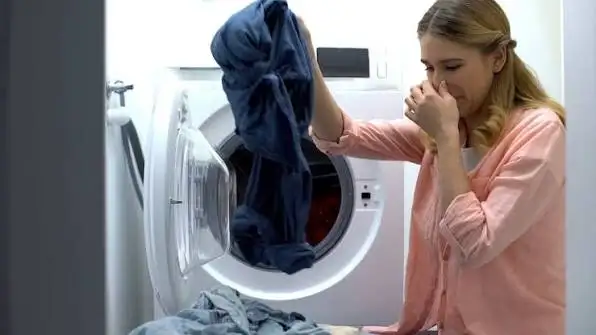
If your clothes smell like they spent a week in a damp basement, the culprit is likely lurking right inside your appliance drum. You can banish that foul odor instantly by spraying the interior with white vinegar and wiping it down with a microfiber cloth.
When your laundry comes out smelling less than fresh, it means standing water, trapped lint, or humid air has created a breeding ground for bacteria. Learning how to get mildew smell out of dryer drums and vents is the fastest way to protect your wardrobe and restore clean, fresh airflow to your laundry room.
Why Does My Dryer Smell Like Mildew?

Your clothes dryer seems like the last place mold or mildew would grow. It gets hot, spins constantly, and dries out wet fabrics. However, the combination of moisture from wet laundry, dark spaces, and organic material like lint creates the perfect environment for fungi to thrive.
When you toss wet clothes into the machine, water evaporates and turns into warm, humid air. If that air cannot escape the machine fast enough, it condenses back into liquid water when the machine cools down. Over time, this stagnant moisture breeds that signature swampy odor.
Common Causes of Mildew Smell in a Dryer
A foul smell rarely happens without a clear underlying issue. Understanding what triggers a musty smell in dryer units helps you target your cleaning efforts where they matter most.
Leaving Wet Clothes Inside Too Long: This is the most frequent mistake. If you leave a damp load of laundry sitting in the closed drum overnight, fungi will develop on both the fabrics and the inner walls of the machine.
A Clogged Lint Trap: The screen captures tiny fabric fibers, skin cells, and hair. When wet air passes through a clogged screen, the damp debris turns into a fertile feeding ground for bacteria.
Blocked Exterior Exhaust Vents: If your exterior ductwork is packed with lint, the hot, moist air cannot escape your home. It gets trapped inside the tube and flows right back into your appliance drum.
Damaged Door Gaskets: Front-loading dryers have rubber seals that can trap stray moisture, hair, and detergent residue in their folds.
High Laundry Room Humidity: If your laundry space is small, unventilated, or located in a damp basement, the machine absorbs that ambient ambient humidity every time you open the door.
Signs Your Dryer Has Mold or Mildew
You do not always have to wait for a bad smell to know your appliance needs attention. Watch for these subtle warnings that things are taking a turn for the worse:
Your clothes emerge from a full cycle feeling completely dry but carrying a distinctive, stale dryer smells musty aroma.
You notice dark green, black, or grey spots forming along the edges of the rubber door seal or behind the lint screen housing.
The interior walls of the machine feel sticky, oily, or slightly slimy to the touch, which points to a buildup of fabric softener and trapped moisture.
Your laundry room smells like a damp basement whenever the machine runs a cycle.
Dryer cycles take much longer than usual, meaning humid air is trapped inside and encouraging fungal growth.
Is It Safe to Use a Dryer That Smells Like Mildew?
Using a machine that smells foul is not a good idea for your wardrobe or your health. When the drum is filled with fungal spores, those spores transfer directly onto your clean laundry during the tumbling cycle. Wearing clothes coated in these spores can trigger sneezing, skin irritation, or respiratory issues for anyone with sensitivities.
Furthermore, a foul smell often points to a severe lint restriction in your airflow system. When lint blocks your exhaust paths, heat builds up inside the machine Cabinet. According to the Consumer Product Safety Commission, blocked vents are a leading cause of residential dryer fires. Cleaning out the smell fixes the odor while protecting your home from serious fire hazards.
Supplies You’ll Need Before Cleaning
Before you start working through how to get mildew smell out of dryer machines, gather these supplies so you’re not stopping halfway through:
- White vinegar
- Baking soda
- A soft cloth or sponge
- An old toothbrush for tight spots
- A vacuum with a hose attachment
- A vent brush kit for the exhaust line
- Rubber gloves
Most of these items are already sitting in your kitchen or laundry closet. Having everything ready before you start keeps the job to about an hour instead of stretching across an entire afternoon.
How to Get Mildew Smell Out of a Dryer
Here is the full process for how to get mildew smell out of dryer machines, start to finish. Start with the power off and the dryer unplugged for safety. Wipe down the drum with a vinegar and water mix, then let it air dry with the door open for a few hours. Clean the lint trap and lint housing by hand, then vacuum out any hidden buildup. Check the door gasket for mold and scrub it with a vinegar-soaked cloth. Finish by clearing the vent hose and exterior vent cover of lint and debris.
Running the dryer for one full cycle on empty afterward helps clear out any leftover vinegar smell.
How to Clean the Dryer Drum
The main drum is where your clothes spend the most time, so it requires a thorough deep clean.
First, fill a spray bottle with equal parts warm water and white vinegar. Spray the mixture generously across the entire surface of the metal drum. Let the solution sit for 10 minutes so the vinegar can break down the fungal cell structures. Wipe the surface thoroughly with a microfiber cloth, paying close attention to the small lifting baffles.
If you notice stubborn dark stains, mix three tablespoons of baking soda with one tablespoon of water to create a thick paste. Rub the paste over the stains using an old toothbrush, then wipe it away with a damp cloth. Once clean, leave the door wide open for at least two hours to let the metal dry out completely.
How to Clean the Dryer Vent
If your exhaust line is blocked, your machine will never smell fresh. Disconnect the flexible ducting from the back of the machine.
Feed a flexible vent cleaning brush deep into the wall duct, twisting it as you push forward to loosen packed lint. Pull the brush back out and vacuum up the loose debris. Head outside your home to locate the exterior exhaust hood, ensure the flap moves freely, and clear out any nesting materials or outdoor debris. Reconnect the duct securely, making sure the line is not kinked or crushed against the wall.
How to Remove Mildew Smell from Clothes
If your clothing has absorbed the stale odor from a compromised machine, a standard wash cycle will not fix it. You need to strip the fibers of the embedded spores.
Place the smelly clothes back into your washing machine. Toss in half a cup of baking soda directly with the fabrics, and fill the fabric softener dispenser with pure white vinegar instead of commercial softener. Run a wash cycle using the hottest water setting recommended on your clothing care labels.
When the cycle ends, transfer the clothes to your clean dryer immediately. Do not leave them sitting in the washer, or the odor will return.
Tips to Prevent Mildew Smells from Returning
Consistency is the key to maintaining a fresh laundry room. Incorporate these basic habits into your regular household routine:
Leave the Door Cracked: Keep the door open an inch or two after every single load to allow leftover moisture to evaporate.
Remove Loads Quickly: Set a timer on your phone so you never leave wet clothes sitting inside a closed machine.
Skip Excess Softener: Liquid fabric softeners leave behind a waxy layer that traps moisture. Consider switching to reusable wool dryer balls instead.
Clean the Screen Daily: Clean the lint screen before you press start on every single load of laundry.
Run Empty Refresh Cycles: Once a month, spray the empty drum with vinegar and run a high-heat cycle for fifteen minutes to sanitize the interior.
Common Mistakes to Avoid
Using Bleach on Metal Drums: Never spray pure liquid bleach inside a stainless steel or porcelain-coated drum. Bleach can corrode the metal surfaces and damage structural components over time.
Closing the Door Wet: Shutting the door immediately after a cycle seals moisture inside, kickstarting fungal growth all over again.
Ignoring the Wall Vent: Cleaning the lint trap screen while ignoring the long wall exhaust line leaves half the problem untouched.
Overloading the Machine: Shoving too many clothes into a single load prevents air from circulating properly, leaving hidden damp spots that sour over time.
When Cleaning Isn’t Enough
Sometimes, a thorough scrubbing does not solve the problem. If you have deep-cleaned the drum, cleared out the lint trap housing, and scrubbed the exhaust lines, but a pungent smell still fills your laundry room, the issue might be structural. Fungal growth can establish itself behind the drum assembly, inside the internal blower wheel housing, or within the internal cabinet insulation where household cleaners cannot reach.
When to Call a Professional Dryer Repair Technician
If the musty smell keeps returning after multiple deep cleanings, it’s time to bring in a professional. A technician can inspect parts you can’t see, like the blower wheel, internal ductwork, and heating element, for hidden mold or damage.
If you’re in the Kent, Washington area, Just Appliances offers Dryer Repair in Kent WA and can track down the source of a stubborn mildew smell that home cleaning hasn’t fixed.
Final Thoughts
A musty dryer almost always comes down to trapped moisture somewhere in the machine. Learning how to get mildew smell out of dryer units yourself starts with the basics: clean the drum, the lint trap, the gasket, and the vent line on a regular schedule.
Stick with a simple routine and most homes never deal with this problem twice. Wipe the drum after heavy loads, empty the lint trap every time, and check the vent line a few times a year.
If the smell won’t quit after a full cleaning, that’s your sign something deeper is going on, and a professional can find what a sponge and vinegar can’t reach.
Frequently Asked Questions
Can I use essential oils to fix a musty smell in dryer drums?
No. Do not apply essential oils directly to the inside of your drum or on your lint screens. Oils are highly flammable and can create a serious fire hazard when exposed to the high temperatures of your drying cycle.
Why does my clothes dryer mold keep coming back after cleaning?
If the smell returns quickly, your exhaust vent path is likely restricted. When air cannot escape efficiently out the exterior wall vent, moisture gets trapped inside the machine cabinet and restarts fungal growth.
How often should I clear out my entire exhaust vent line?
You should clean your entire vent line from the back of the machine to the outside wall hood at least once a year. If you have a large family or run multiple loads every day, clean the lines every six months.
Does white vinegar damage the inside of a metal drum?
A diluted white vinegar solution is completely safe for short-term cleaning on stainless steel and porcelain drums. Always wipe the surface down with a clean, damp cloth afterward and let it dry out completely.