
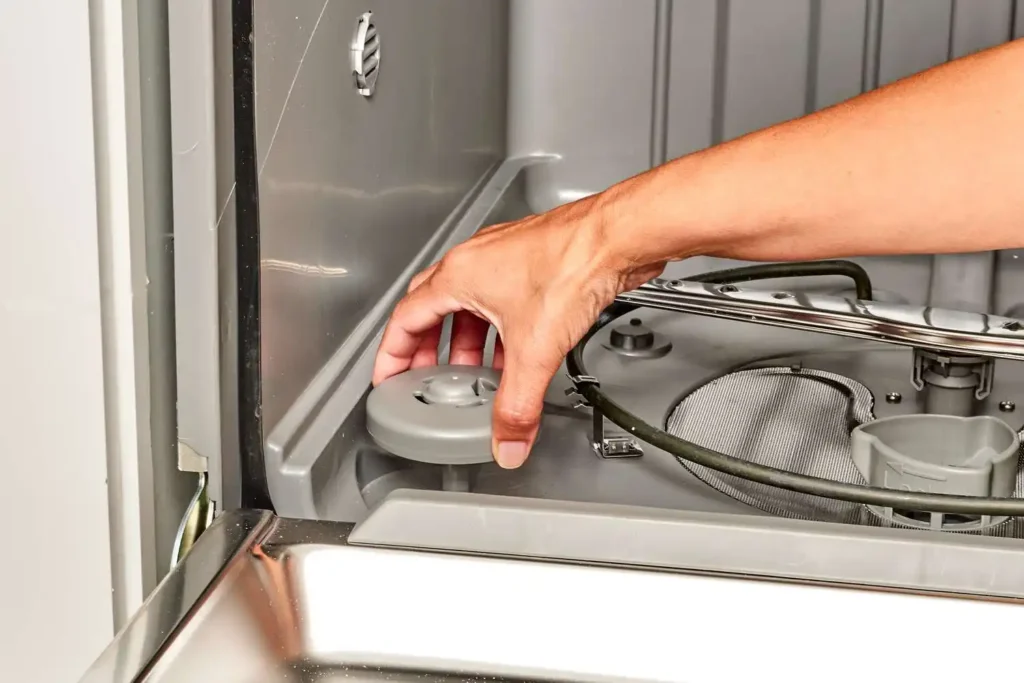
If your dishwasher leaves spots, pools water, or refuses to turn on, you do not always need an expensive repair tech. Many common issues come down to simple clogs or worn parts you can swap out yourself with standard household tools.
Learning how to repair dishwasher problems saves money, cuts down on utility bills, and keeps your kitchen running smoothly. This complete guide will walk you through diagnosing issues, using the right tools, and making safe repairs.
What Are the Most Common Dishwasher Problems?
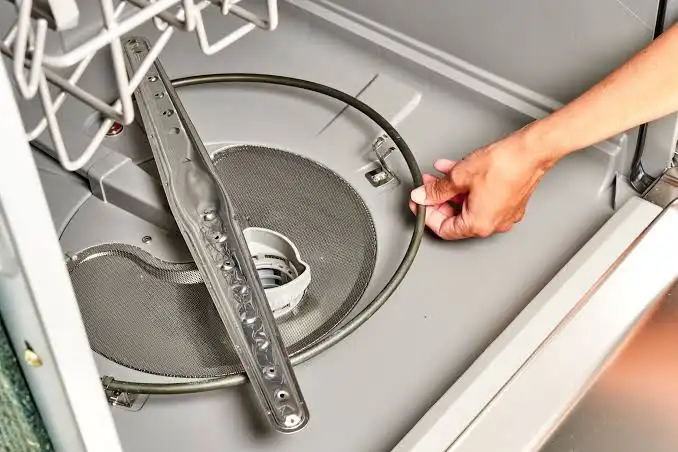
Dishwashers run into a handful of repeat issues. Knowing them helps you spot the problem faster.
- Won’t start at all
- Won’t drain after a cycle
- Won’t fill with water
- Dishes come out dirty
- Water leaks onto the floor
- Door won’t latch shut
- Dishes stay wet after the dry cycle
- Loud grinding or buzzing noises
- Cycle stops partway through
- Standing water left in the bottom
Most of these problems trace back to a small number of parts: the pump, the float switch, the door latch, or the heating element.
Signs Your Dishwasher Needs Repair
Watch for these warning signs before a small issue turns into a bigger one:
- Dishes come out with food residue or soap film
- Water pools at the bottom after a full cycle
- The control panel lights flash or fail to respond
- You hear grinding, humming, or clicking sounds during a wash
- The door does not seal tight and water leaks out
If you spot any of these, it is worth doing a quick check before running another cycle.
What Causes a Dishwasher to Stop Working?
Dishwashers rely on a precise balance of water pressure, heat, and electrical signals. When one part breaks, the entire cycle can halt. Common causes include a burned-out pump motor, a torn door seal, a clogged spray arm, or a failed control board.
Hard water is another major factor. Mineral deposits build up inside the tiny valves and sensors, causing them to stick. Overloading the racks can also block water flow and trick sensors into shutting down the machine.
Safety Tips Before Repairing a Dishwasher
Safety must come first when you handle any major appliance. Dishwashers combine electricity and water, which is a dangerous mix if ignored.
Critical Safety Rule: Always unplug the machine or turn off the circuit breaker before you touch any internal wires or components.
Next, close the water shut-off valve under your sink. This stops accidental flooding while you disconnect hoses. Work in a brightly lit space and wear heavy gloves to protect your hands from sharp plastic or hidden broken glass inside the tub.
Tools You Need to Repair a Dishwasher
Most dishwasher repair jobs need only basic tools:
- Phillips and flathead screwdrivers
- Adjustable pliers
- A multimeter for testing electrical parts
- A small bucket and towels
- A flashlight to see inside dark corners
- Replacement parts as needed, such as a float switch, gasket, or pump
Keep these on hand and you can handle most repair jobs in under an hour.
How to Diagnose a Dishwasher Before Repairing It
Before grabbing tools, figure out exactly what is going wrong. Run a cycle and watch closely.
- Does the unit power on at all?
- Do you hear water filling the tub?
- Does the wash arm spin?
- Does water drain out at the end?
- Is the door sealing fully when closed?
Write down what you notice. This narrows down the part that needs attention and saves you time once you start the actual fix a dishwasher process.
You can read about: How to Repair Oven
How to Repair a Dishwasher That Won’t Start
- Check that the unit is plugged in and the breaker has not tripped.
- Make sure the door is fully latched, since most models will not start with the door open.
- Look at the control panel for error codes.
- Test the door switch with a multimeter for continuity.
- Replace the door switch if it shows no continuity.
A dead door switch is one of the most common reasons a dishwasher refuses to start.
How to Repair a Dishwasher That Won’t Drain
- Check the drain filter at the bottom of the tub and clean out debris.
- Inspect the drain hose for kinks or clogs.
- Check the air gap on your sink if your model uses one.
- Test the drain pump for continuity with a multimeter.
- Replace the pump if it has failed.
A clogged filter causes most drainage problems. Clean it monthly to avoid this issue altogether.
How to Repair a Dishwasher That Won’t Fill With Water
- Check that the water supply valve is fully open.
- Inspect the water inlet valve for blockages.
- Test the float switch to confirm it moves freely.
- Check the inlet valve with a multimeter for proper function.
- Replace the inlet valve if water flow does not improve.
A stuck float switch often causes this issue. It should move up and down freely without sticking.
How to Repair a Dishwasher That Is Not Cleaning Dishes Properly
- Clean the spray arms and check for clogged holes.
- Run an empty cycle with a dishwasher cleaner to clear mineral buildup.
- Check water temperature, which should reach at least 120 degrees Fahrenheit.
- Make sure dishes are loaded so the spray arms can rotate freely.
- Inspect the wash pump for wear if cleaning quality stays poor.
Hard water buildup is a frequent cause. A monthly cleaning cycle helps prevent this from returning.
How to Repair a Dishwasher That Is Leaking Water
- Inspect the door gasket for cracks or flattening.
- Check that the unit is level, since tilting can cause leaks.
- Look at the water inlet valve and hose connections for loose fittings.
- Replace a worn door gasket, which usually costs under 30 dollars.
Leaks from the door are the most common type and often the easiest to fix.
How to Repair a Dishwasher Door That Won’t Latch or Close Properly
- Check for obstructions blocking the door from closing fully.
- Inspect the latch mechanism for wear or misalignment.
- Tighten any loose screws around the latch assembly.
- Replace the latch if it does not catch properly even when aligned.
A worn latch is a quick and affordable fix, usually under 20 dollars for the part.
How to Repair a Dishwasher That Won’t Dry Dishes
- Check the heating element for visible damage or breaks.
- Confirm the rinse aid dispenser has fluid and is releasing it properly.
- Test the heating element with a multimeter for continuity.
- Replace the element if it fails the continuity test.
Low rinse aid is an easy fix that many people overlook before assuming the heating element is broken.
How to Repair a Dishwasher That Makes Loud or Unusual Noises
- Grinding sounds often mean something is stuck in the pump or spray arm.
- Buzzing usually points to the drain pump motor straining against a clog.
- Clicking can mean a worn motor bearing.
- Remove any debris from the pump area and test again.
If noises continue after clearing debris, the pump motor may need replacing.
How to Repair a Dishwasher That Stops Mid-Cycle
- Check for a tripped thermal overload switch, which shuts the unit off to prevent overheating.
- Inspect the control board for visible damage.
- Confirm the water supply has not been interrupted.
- Reset the breaker and try a short cycle to see if it completes.
If the unit keeps stopping at the same point in the cycle, the issue often points to a specific component tied to that stage.
How to Repair a Dishwasher That Leaves Standing Water
- Clean the drain filter and check for trapped food debris.
- Inspect the drain hose for a kink near the connection point.
- Test the drain pump for proper function.
- Check the check valve, which can stick and trap water in the tub.
Standing water almost always points back to a drainage issue rather than the wash cycle itself.
How to Test the Main Dishwasher Components
Use a multimeter to test these parts for continuity when in doubt:
- Door switch
- Float switch
- Heating element
- Drain pump motor
- Water inlet valve
A reading of zero or close to zero ohms usually means the part is working. No reading at all often means it has failed.
When Should You Repair or Replace Your Dishwasher?
Repair makes sense when the unit is under 8 years old and the problem involves one part, such as a pump, gasket, or switch.
Replacement makes more sense when the dishwasher is older than 10 years, multiple parts are failing, or repair costs add up to more than half the price of a new unit.
How to Maintain Your Dishwasher to Prevent Future Problems
- Clean the filter every two to four weeks.
- Run a cleaning cycle with vinegar or a dishwasher cleaner once a month.
- Wipe down the door gasket regularly to prevent buildup.
- Check spray arms for clogs every few months.
- Avoid overloading the unit, which strains the motor and pump.
Regular care cuts down on repair calls and keeps your dishwasher running for years longer.
Conclusion
Taking the time to fix a dishwasher on your own builds confidence and keeps cash in your pocket. Most common appliance headaches require nothing more than a thorough cleaning or a basic part replacement.
However, if you hit a complex electrical issue or simply prefer an expert eye to handle your appliance needs, reach out to the pros at Just Appliances. For dependable local service and fast assistance, look up professional dishwasher repair near Kent to get your kitchen running perfectly again.
Frequently Asked Questions
How much does it cost to repair a dishwasher?
Most parts cost between 15 and 60 dollars. Professional labor adds to that depending on the issue.
Why is my dishwasher not draining but the pump sounds fine?
A clogged filter or kinked drain hose is the most common cause when the pump runs but water does not drain.
Can I fix a dishwasher leak myself?
Yes, in most cases. A worn door gasket is an easy and affordable part to replace at home.
How often should I clean my dishwasher filter?
Clean it every two to four weeks to prevent clogs and keep dishes coming out clean.
Is it worth repairing an old dishwasher?
If the unit is under 8 years old and only one part has failed, repair is usually the better choice over replacement.