
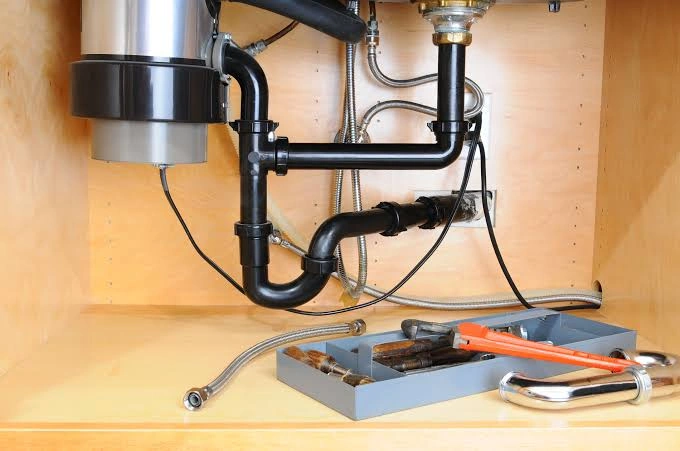
Fixing a jammed or silent garbage disposal takes only a few simple steps. First, turn off the wall switch and unplug the unit underneath the sink. Look at the bottom casing for a small red button. Push that reset switch firmly back inside. If the motor hums without spinning, insert a hex wrench into the bottom center slot. Turn the wrench back and forth until the internal plate moves freely.
Taking these basic steps helps you restore your sink quickly without paying high plumbing service fees. Learning how to fix garbage disposal problems at home keeps your kitchen clean and running smoothly every single day.
How Does a Garbage Disposal Work?
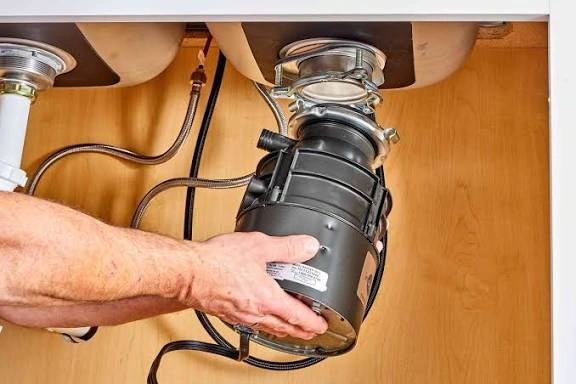
A garbage disposal sits directly underneath your kitchen sink basin. It connects the sink drain opening to your home wastewater pipes.
Many people think disposals have sharp spinning blades inside like a food blender. Disposals actually use blunt metal impellers attached to a heavy spinning plate.
When you flip the wall switch, the motor spins this plate at high speeds. Centrifugal force pushes food waste outward against a stationary metal ring.
That outer ring has small ridges that grind food into tiny bits. Running tap water then flushes the liquefied food scraps down the drain pipe.
Signs Your Garbage Disposal Needs Repair
Your sink gives early warning signs when the disposal unit stops working right. Catching these problems early prevents costly plumbing issues later:
Low Humming Sound: The motor receives electric power, but an object prevents the impellers from spinning.
Slow Basin Draining: Standing water stays in the sink because food sludge blocks the drain line.
Frequent Power Trips: The unit shuts off while running and needs constant reset button pushes.
Leaking Water: Drops or pools of water appear inside the cabinet under the sink.
Foul Drain Odors: Smells remain even after flushing the unit with water and soap.
Loud Grinding Noise: Metal objects or hard items rattle against the spinning plate inside.
Safety Tips Before Fixing a Garbage Disposal
Safety is essential when working on electric plumbing appliances. Taking proper precautions prevents electrical shock and hand injuries:
Cut the Power First: Unplug the power cord from the wall outlet beneath the sink. If your unit connects directly to your home wiring, turn off the breaker switch inside your main electrical panel.
Keep Hands Out: Never place your fingers inside the disposal chamber. Use long kitchen tongs or pliers to pull out jammed items.
Avoid Caustic Chemicals: Do not pour chemical drain cleaners down the sink. These liquids damage rubber internal seals and can splash onto your skin during repairs.
Use Eyewear: Wear basic safety goggles when looking down into the drain to protect your eyes.
Tools You Need
Having the correct tools nearby makes troubleshooting simple. You only need a few basic household items for most jobs:
- Standard 1/4-inch hex key or disposal jam wrench
- Needle-nose pliers or long metal tongs
- Bright flashlight
- Sink plunger
- Screwdrivers (flathead and Phillips)
- Bucket and dry towels
- Plumber putty or fresh rubber washers
How to Fix a Garbage Disposal
A dead or jammed unit is one of the most common kitchen problems homeowners face. Knowing how to fix garbage disposal issues step by step gets your sink working fast.
Start by checking the power source under your cabinet. Ensure the plug connects tightly into the electrical outlet. Check your main circuit box to see if the breaker switch tripped.
Next, inspect the disposal unit for overheating. Motor thermal sensors shut off power when the unit gets too hot. Pressing the red button on the bottom casing restores electrical flow.
If the unit still will not turn, use a manual hex wrench underneath. Turning the motor shaft manually frees stuck impellers without burning out internal electrical wiring.
How to Reset a Garbage Disposal
When a disposal motor overloads, an internal safety switch trips automatically to protect the electrical system.
First, turn off the wall switch and unplug the power cord under the sink. Locate the small red square or round button on the bottom of the outer casing.
If the red button sticks out about a quarter inch, the overload switch has tripped. Allow the motor to cool down for ten minutes.
Press the red button firmly inward until you hear a clear click. Plug the power cord back into the outlet. Turn on cold tap water and flip the wall switch to test the unit.
How to Unclog a Garbage Disposal
Thick food scraps or grease can form heavy clogs inside the upper drain pipe or lower P-trap.
Unplug the unit or shut off the main electrical breaker. Shine a flashlight straight down into the sink drain opening. Look for visible obstructions like fruit pits, bones, or dense food scraps.
Use long needle-nose pliers to pull out trapped items. Do not use your hands.
If water still drains slowly, set a sink plunger directly over the drain. Fill the sink with two inches of standing water to create a tight seal. Push the plunger up and down firmly five times.
This pressure clears trapped debris inside the drain line. Reconnect power and run cold water to flush the pipe. Performing a proper food disposal fix keeps your drain open.
How to Fix a Leaking Garbage Disposal
Water leaking under your kitchen cabinet causes mold and damages wood flooring. You must find the leak source before starting repairs:
Leak at the Top Flange: Water dripping from the top rim means the plumber putty seal failed. Disconnect the disposal, loosen the mounting ring, scrape off old putty, apply fresh plumber putty, and tighten the ring bolts.
Leak at the Pipe Connection: Inspect the side discharge tube and dishwasher hose connections. Tighten loose screws or replace worn rubber gaskets inside the drain tube flange.
Leak from the Bottom Casing: Water leaking through the bottom reset button means internal motor seals failed. Internal motor seal failure cannot be repaired. You must replace the entire unit.
Finding leaks early simplifies your overall sink disposal repair process.
How to Fix a Garbage Disposal That Is Humming but Not Spinning
A low humming sound means the electric motor receives power, but an object holds the impellers tight against the outer ring.
Flip off the wall switch immediately to prevent burning out the motor. Unplug the power cord underneath the sink cabinet.
Locate the small hex socket in the center of the unit’s bottom exterior. Insert a 1/4-inch hex key directly into this socket.
Turn the wrench back and forth in both directions. Continue cranking until the wrench rotates freely in full circles.
Look into the drain from above using a flashlight. Extract the loose debris using your pliers. Press the red reset button, reconnect power, and run cold water to check performance.
Common Garbage Disposal Problems and Their Solutions
Understanding common issues helps you choose the right repair path quickly:
Unit is Completely Silent: Check the power plug connection, reset the main electrical panel breaker, or push the bottom red overload button.
Slow Draining Water: Use a sink plunger over the drain or remove the lower P-trap pipe to clean out trapped grease sludge.
Rattling Noise During Grinding: Shut off power right away and remove loose hard items like glass or metal screws using long pliers.
Bad Smells From Drain: Scrub the grinding chamber using ice cubes and rock salt, followed by citrus peels and cold water.
Learning how to fix garbage disposal problems saves you stress and expensive service calls.
Mistakes to Avoid When Repairing a Garbage Disposal
Avoiding basic repair mistakes protects your safety and keeps your home plumbing safe:
- Leaving the power cord plugged in while working inside the sink drain.
- Putting your hands or fingers past the rubber splash guard under any circumstances.
- Pouring harsh chemical drain openers or bleach into the disposal chamber.
- Using excessive force on mounting screws, which can crack thin sink basins.
- Running hot water while grinding greasy food scraps. Hot water melts fat, which settles and hardens inside your main household drain pipes.
How to Prevent Garbage Disposal Problems
Simple daily habits extend the life of your kitchen disposal unit:
Always turn on cold tap water before flipping the wall switch. Keep cold water running for fifteen seconds after grinding stops to clear the drain line.
Feed small amounts of food scraps into the disposal gradually instead of stuffing the chamber full at once.
Do not grind fibrous foods like celery, corn husks, onion skins, coffee grounds, eggshells, or large bones. Periodically grind ice cubes mixed with rock salt to scour internal parts clean.
When to Repair vs. Replace a Garbage Disposal
Deciding whether to repair or replace your disposal depends on unit age and overall condition:
Choose Repair: The unit is under seven years old, the issue is a simple jam, the reset button tripped, or leaks come from a loose rubber pipe fitting.
Choose Replace: The unit is over eight years old, water leaks directly out of the bottom motor casing, or the motor trips your home electrical breaker constantly.
Executing a timely garbage disposal repair fixes small issues before you need a full replacement.
When to Call a Professional for Garbage Disposal Repair
Some disposal problems require help from a licensed specialist:
- Water leaks extensively behind walls or under kitchen flooring.
- Electrical wires require new switch installation, hardwiring work, or panel updates.
- Main drain line clogs extend far past the P-trap into household plumbing stacks.
- The motor shows total electrical failure after clearing jams and resetting power.
Knowing when to call an expert protects your plumbing system from major damage.
Conclusion
A malfunctioning disposal disrupts your daily kitchen routine, but resolving common jams, resets, and leaks is simple with the right steps. Knowing how to fix garbage disposal units safely saves time and avoids high repair bills. Always disconnect power before checking for jams, clear stuck impellers using a manual hex wrench, and avoid using harsh chemical drain cleaners.
If your unit leaks from the bottom or fails to run after troubleshooting, reliable expert help is nearby. For dependable Garbage Disposal Repair in Kent, WA, contact the experienced team at Just Appliances. We offer fast service to restore your kitchen appliances quickly.
Frequently Asked Questions
Can I use an Allen wrench to unjam any disposal?
Yes, almost all modern units feature a standard 1/4-inch hex socket in the center of their bottom casing for manual unjamming.
Why does my disposal reset button keep popping out?
The reset button trips when the motor draws too much current due to a mechanical jam, overheating, or a failing electrical component.
Is it normal for a garbage disposal to hum?
No, a humming sound means the motor gets electricity but stuck debris prevents the impellers from spinning. Turn off power right away.
Should I use hot or cold water when running the disposal?
Always use cold water. Cold water keeps fats solid so impellers can chop them up and flush them down the pipe easily.