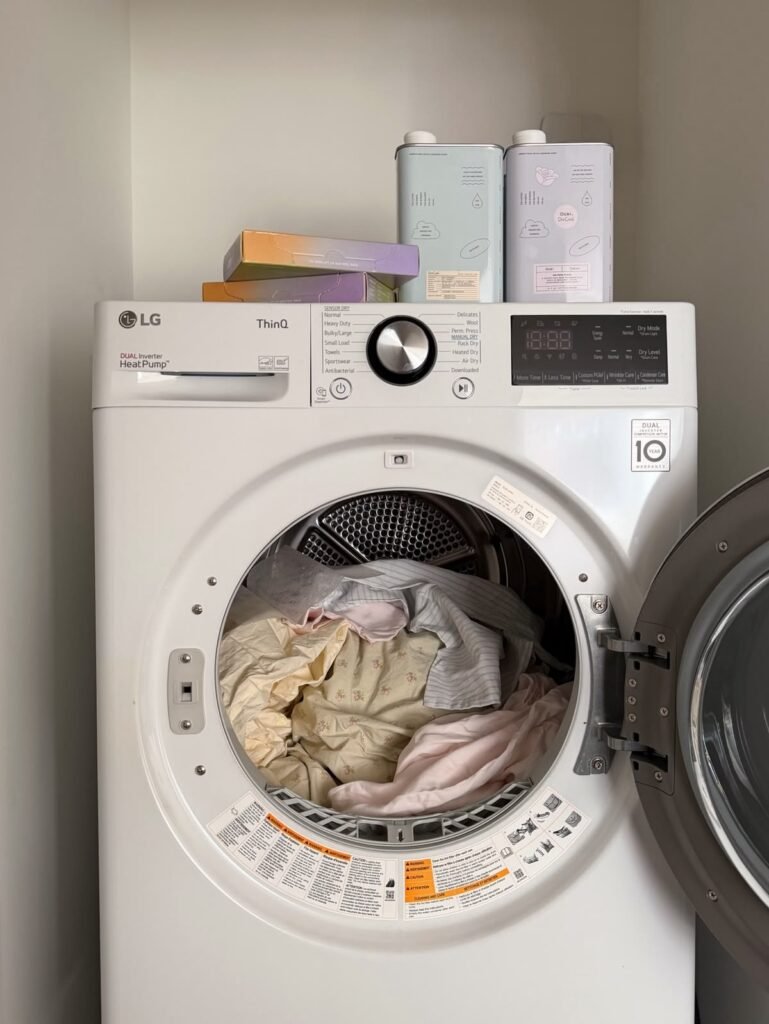

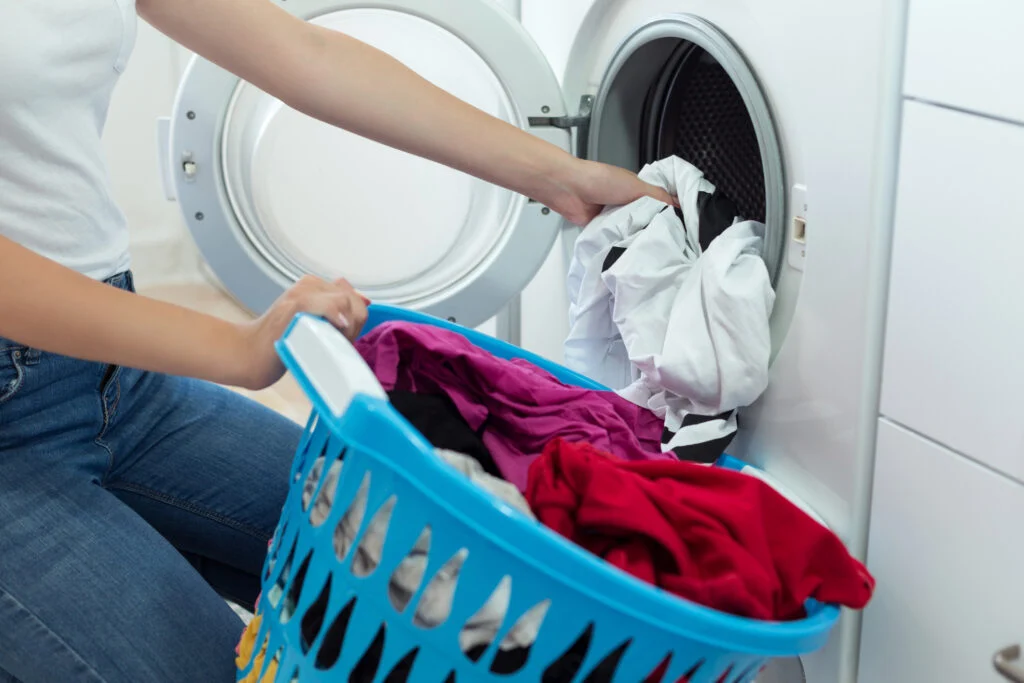
If you’re wondering how to fix washing machine not draining, start by unplugging the machine, draining the standing water, and checking the drain filter, drain hose, and drain pump for blockages. In most cases, a clogged filter, a kinked hose, or debris trapped in the pump prevents the washer from draining properly, and these issues can often be fixed without professional help.
This guide walks you through each troubleshooting step in the correct order, explains the most common causes of drainage problems, lists the tools you’ll need, and helps you determine when replacing a faulty part or calling a technician is the best solution.
Why Is Your Washing Machine Not Draining?
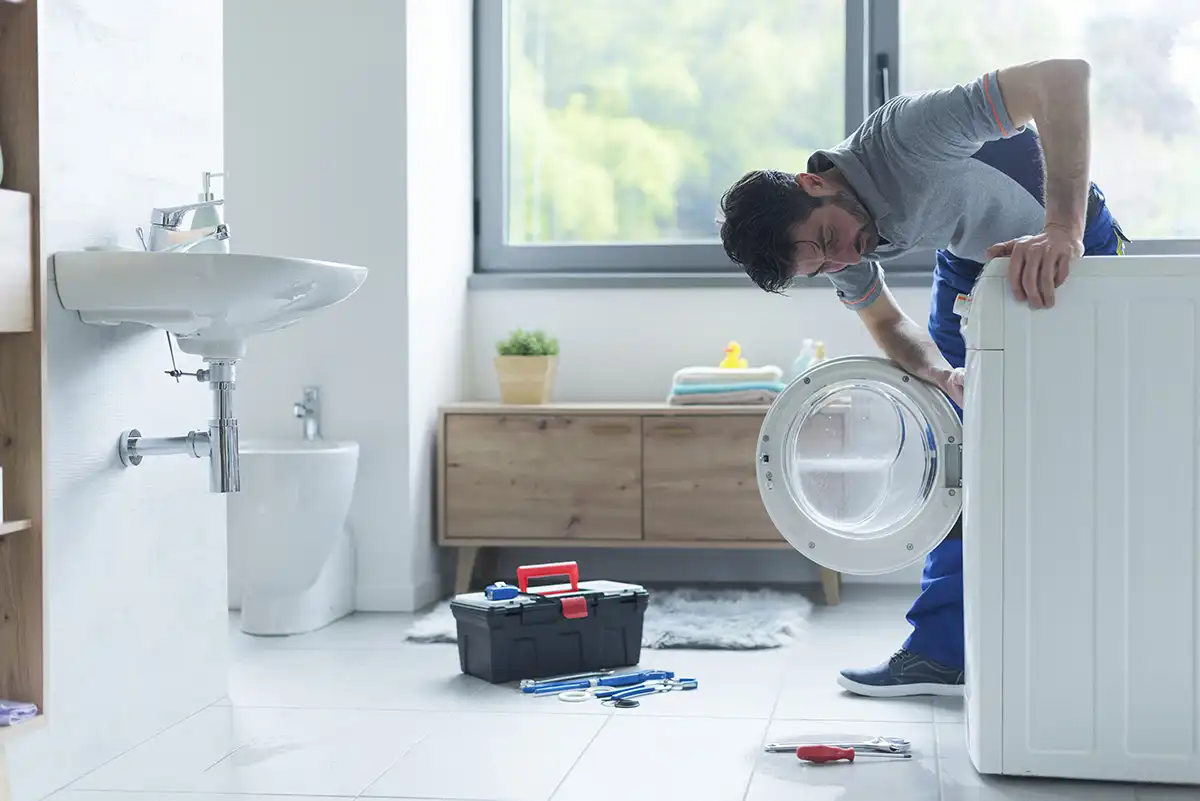
Most washing machines stop draining because of a blockage or component failure in the drainage system. The three most common causes are a clogged drain filter, a blocked or kinked drain hose, and a failed drain pump. Less common causes include a faulty lid switch on top-loaders, a broken door latch on front-loaders, a damaged pump belt on older models, or a control board fault.
The drainage system works like this: at the end of a wash cycle, the pump pulls water from the drum through a filter and out through the drain hose into your standpipe. If any point in that path is blocked or the pump cannot run, the water stays in the drum.
One easy miss: top-loaders use a lid switch to confirm the lid is closed before the pump runs. If that switch fails, the machine refuses to drain even though nothing in the drainage path is blocked. The filter looks clear, the hose looks fine but the machine does not know the lid is shut.
Common Signs Your Washing Machine Is Not Draining Properly
- Standing water visible in the drum at the end of a cycle
- Clothes feel unusually wet after a full spin the drum spun but drained slowly
- The machine pauses mid-cycle and shows an error code (E21, F21, or 5E on most brands)
- You hear the pump running but no water exits the drain hose
- A faint musty smell from the drum even after a hot wash
- Water drains very slowly rather than stopping entirely
Slow drainage is often the first sign of a filter that is 80% blocked. Catching it early means a quick clean rather than standing water and a disrupted wash.
Safety Tips Before Fixing a Washing Machine
Disconnect power first. Pull the plug from the wall completely before touching any internal components. Do not rely on the on/off button.
Prepare for water. Any machine that has not drained still holds water in the drum, filter housing, and pump. Have a bucket and towels ready before opening the filter cap or disconnecting the drain hose.
Tilt carefully. To access the pump on some models you need to tilt the machine backward. Do this slowly and with help washing machines are heavy.
Never run the machine with panels removed. Moving parts and electrical connections become dangerous when panels are off.
Tools You Will Need
- Bucket and old towels
- Flathead and Phillips screwdrivers
- Pliers for hose clamps
- Multimeter for testing the lid switch, door latch, and pump
- Replacement drain filter matched to your model number
- Replacement pump if testing confirms failure
- Torch to see inside the filter housing and behind the machine
How to Fix Washing Machine Not Draining
Step 1 — Clean the Drain Filter
The drain filter is the most common cause. On front-loaders it sits behind a small panel at the bottom front. On most top-loaders it is at the bottom of the drum or inside the agitator.
Place a towel and shallow tray under the filter cap. Turn the cap slowly and anti-clockwise water trickles out immediately. Remove the cap and filter. You will often find a coin, hair clip, or lint buildup blocking the mesh. Rinse under running water, clear the housing, refit the cap, and run a short spin cycle to test.
This single step fixes how to fix a washer that will not drain in the majority of cases.
Step 2 — Check the Drain Hose
Pull the machine forward to see the full length of the hose. Straighten any kinks. Check that the hose end in the standpipe is not pushed more than 15 cm inside deeper than this creates a siphon that pulls water back into the drum.
To check for a blockage inside the hose, disconnect it from the pump outlet and direct it into a bucket. Pour water through from the other end. If it flows freely the hose is clear. If not, push a flexible brush through to clear the blockage.
Step 3 — Test the Drain Pump
A pump trying to run but blocked by a small object makes a humming sound during the drain phase. A completely failed pump makes no sound at all.
Access the pump by removing the back panel or tilting the machine. Disconnect the pump wiring and test the motor terminals with a multimeter on resistance mode. A working pump reads 5 to 10 ohms on most models. Outside this range or an open circuit means the pump has failed.
Before replacing the pump, reach inside the impeller housing and feel for debris. A small object caught in the impeller is often the real cause removing it restores function without replacement.
Step 4 — Check the Lid Switch (Top-Loaders Only)
The lid switch sits under the lid frame. When you close the lid, a tab presses the switch. Without that signal, the machine will not spin or drain.
Test with a multimeter on continuity mode. Open the lid and you should read the open circuit. Press the switch down manually and you should read the closed circuit. If it reads open in both positions, the switch has failed. Lid switches cost under £15 and bolt in with two screws.
Step 5 — Check the Door Latch (Front-Loaders Only)
The door latch sends the closed-door signal to the control board. If it fails, the machine will not drain or spin. Test the latch with a multimeter the same way as a lid switch. Check for visible damage plastic hooks break from repeated door closing. A replacement latch assembly costs £20 to £45.
Step 6 — Check the Pump Belt (Older Models Only)
Machines made before approximately 2000 often used a rubber belt connecting the motor to the pump. If this belt snaps or slips off, the pump cannot run. Remove the back panel and look for the belt between the motor and pump pulley. A missing or slack belt confirms the fault.
Step 7 — Check the Control Board
If every component above tests correctly but the machine still will not drain, the control board may not be sending the drain command. Confirm the fault is consistent. Does it fail on every cycle or only sometimes? Intermittent faults are more likely a loose wiring connector than a failed board.
You can read about: How Much Does It Cost to Repair a Washer
How to Drain a Washing Machine Manually
Through the filter: Open the small emergency drain hose clipped next to the filter cap on most front-loaders. Direct it into a tray and let it drain slowly.
Through the drain hose: Pull the drain hose from the standpipe and direct it into a bucket on the floor. Water flows by gravity. Reposition the bucket when it fills.
By hand: Remove clothes and scoop water from the drum with a jug into a bucket. Slow but requires no tools or panel access.
Common Error Codes Related to Drainage
- E21 / F21 / 5E: Drainage fault water did not clear within expected time. Start with the filter.
- E3 / F3: Drain time exceeded usually a partial blockage rather than a complete one.
- LE / L (LG models): Motor overloaded sometimes caused by the pump working against a blockage.
- dL / Lid: Lid error on top-loaders lid switch preventing the drain cycle from activating.
Always check your specific model’s error code list. The same code can mean different things across brands.
How to Prevent Washing Machine Drainage Problems
Clean the drain filter every three months. A quarterly clean takes five minutes and prevents the majority of drainage faults on front-loaders.
Check pockets before every wash. Coins, hair clips, and small items are the most common objects found in pump impellers. One habit eliminates one of the most frequent drainage causes.
Use the correct detergent amount. Excess detergent creates foam the pump struggles to drain. Use the amount specified for your water hardness less than you think is usually enough.
Run a hot maintenance wash monthly. A 60-degree empty cycle with machine cleaner or white vinegar dissolves soap residue and lint before it accumulates into a blockage.
Keep the drain hose positioned correctly. No deeper than 15 cm into the standpipe. No kinks. No loops lower than the pump before rising to the standpipe.
When to Call a Professional for Washing Machine Draining Issues
Call a professional when the fault is confirmed as a control board failure, when the pump has failed and you are not confident replacing it, when the machine is under warranty and DIY would void it, or when drainage faults come alongside other problems like the drum not spinning.
If you are in the Kent, WA area, Just Appliances provides fast and reliable service of Washer Repair in Kent WA for all brands and models. They carry common parts for same-day repairs and give a clear quote before any work starts.
Conclusion
A washing machine that will not drain almost always has one of a small number of fixable causes. Starting with the filter it solves the problem more often than anything else. Work through the drain hose, the pump, and the lid or door switch before assuming the control board is at fault.
Knowing how to fix washing machine not draining correctly means working through the system in order rather than replacing parts at random. Most drainage repairs cost under £40 in parts when diagnosed correctly. Regular filter cleaning and pocket-checking prevent the majority of problems from starting in the first place.
Frequently Asked Questions
Why is my washing machine not draining but making a humming sound?
A humming sound during the drain phase means the pump motor is running but the impeller is blocking a coin, button, or hair clip. Turn off and unplug the machine, access the pump housing, and check the impeller before assuming the pump has failed. Removing the blockage often restores function completely without replacement.
How do I fix a washer that won’t drain if cleaning the filter did not help?
Check the drain hose next specifically for kinks and the hose end being pushed too far into the standpipe. Then test the drain pump with a multimeter. On top-loaders, also check the lid switch. Work through each component in sequence rather than jumping straight to the pump or control board.
Can a washing machine not drain damage the drum or motor?
Leaving standing water in the drum encourages mold growth and persistent odours. Running the machine repeatedly when it is not draining puts extra strain on the pump motor. Address drainage faults promptly rather than running additional cycles hoping the problem clears itself.
How long does it take to fix a washing machine that won’t drain?
A filter clean takes 10 minutes. Clearing a blocked hose takes 15 to 20 minutes. Replacing a lid switch or door latch takes 20 to 30 minutes. Replacing a drain pump takes 45 to 90 minutes depending on your model and access.
Is it worth repairing a washing machine that won’t drain, or should I replace it?
For machines under eight years old, repair is almost always worth it drainage repairs are among the least expensive appliance faults. For machines over ten years old showing multiple faults alongside the drainage problem, the cost calculation is closer. A single drainage repair on an otherwise healthy older machine is still worth doing.